
Table of Contents
- September Is the Home Stretch for Outdoor Cannabis
- Check the Plant Before You Check the Calendar
- Protect the Crop While It Finishes
- Do Not Overcorrect Late in Flower
- Set Up the Drying Space Before You Cut Anything
- Build a Harvest Plan Before the Weather Builds One for You
- FAQs About Outdoor Cannabis Harvest Preparation
- Get Ready for Croptober Before It Gets Here
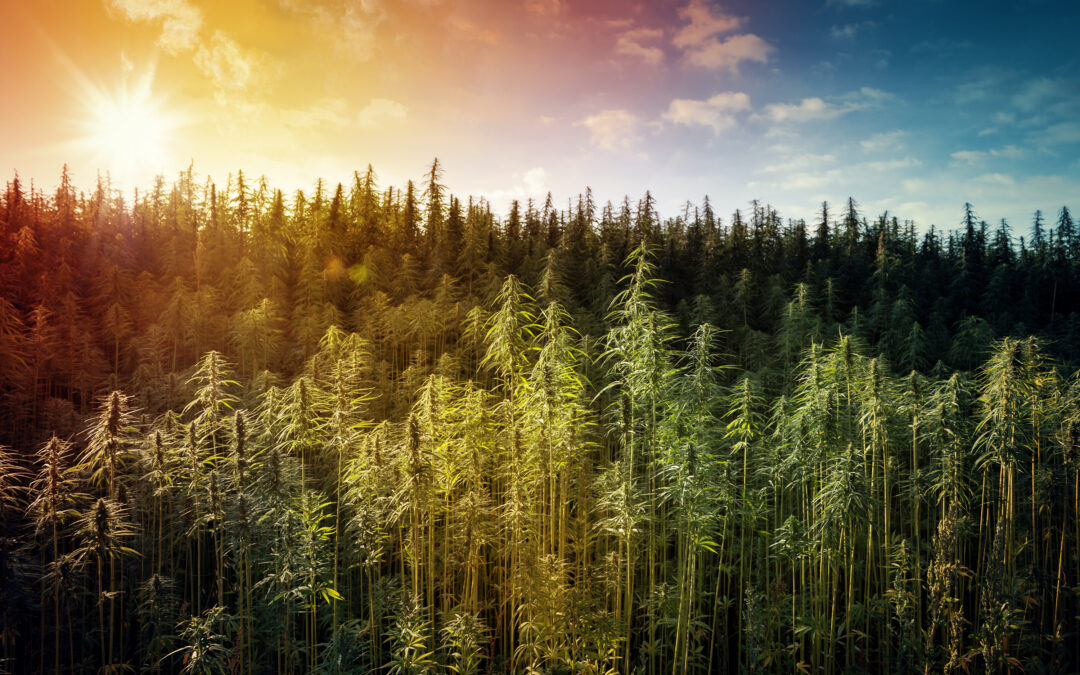
September is when outdoor growers start checking the weather almost as often as the plants. Flowers are heavier, trichomes are changing, nights are getting cooler, and the harvest window finally feels close enough to plan around.
That does not mean every plant is ready because the calendar says September. One cultivar may be nearly finished while the plant beside it still needs another week or two. The better approach is to treat September as harvest-prep month: watch maturity, protect the flowers, keep late-season problems from gaining ground, and get the drying space ready before you need it.
A good outdoor cannabis harvest checklist helps you stay ahead of the finish instead of rushing into it. The goal is to bring down healthy, mature flower at the right time and move it into a clean, controlled post-harvest setup without scrambling on harvest day.
September Is the Home Stretch for Outdoor Cannabis
The grower’s job changes as plants move through late flower. Earlier in the season, you shaped branches, managed stretch, and built structure. Now the priority is protecting what the plant has already built while you watch for signs that the flowers are actually finishing.
Shift From Building the Plant to Protecting the Crop
Late flower is not the time to redesign the canopy. Keep branches supported, airflow open, and the root zone steady. Major topping, hard bends, and heavy cleanup should already be behind you unless you are removing damaged or diseased material.
If you want a refresher on that seasonal shift, Mosca’s guide to outdoor cannabis flowering in August covers the move from vegetative growth into bloom and the change from shaping plants to supporting them.
Do Not Expect Every Plant to Finish Together
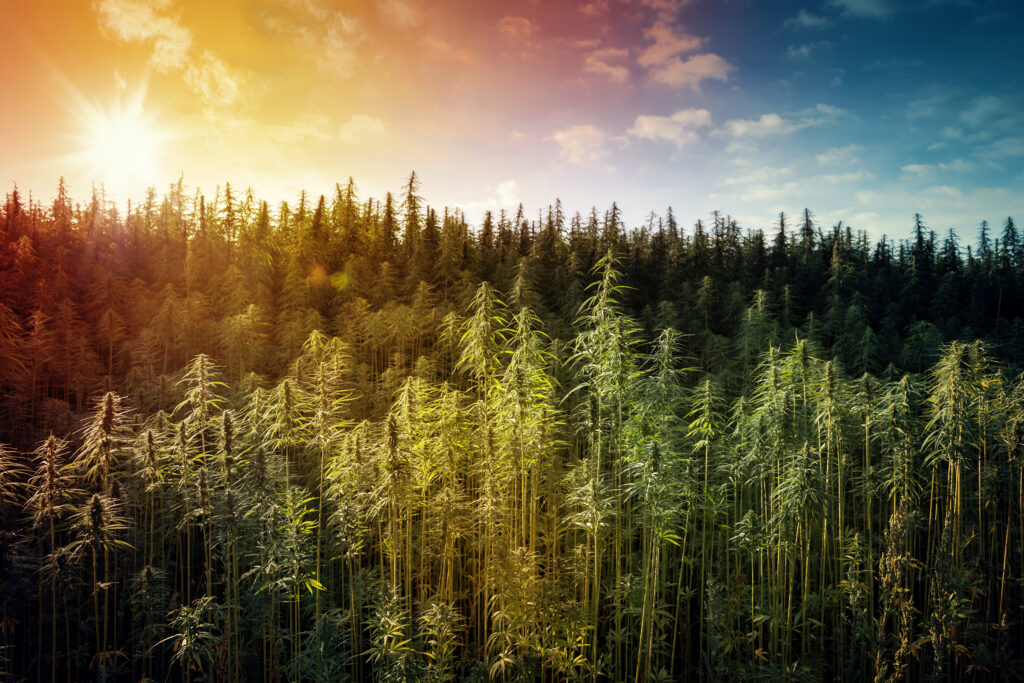
Genetics, phenotype, planting date, root health, sun exposure, weather, and plant stress all affect finishing time. Even plants started at the same time can ripen at different speeds. Treat harvest as a window, not one date circled on the calendar.
That is especially important if you are growing several cultivars or seed-grown plants. Check each plant on its own and be prepared to harvest in stages if that is what the garden is telling you.
Check the Plant Before You Check the Calendar
September can make growers impatient. Days are getting shorter, flowers smell finished, and the weather forecast may be getting less friendly. Still, harvest timing should start with the plant.
Watch Trichomes, Not Just Pistils
Pistils can help show that a flower is maturing, but they are only one clue. Trichomes give you a much closer look at resin maturity. Use a jeweler’s loupe or a small digital microscope and inspect the trichomes on the flower itself rather than relying only on sugar leaves.
Mosca’s trichome production and harvest guide walks through the clear-to-milky-to-amber progression and why growers should handle resin-covered flowers carefully as harvest approaches.
Look at the Whole Flower
Do not reduce harvest readiness to one color change. Look at how the flowers have filled out, whether calyxes are swelling, how the plant is drinking, and whether the overall flower structure looks mature for that cultivar. A plant can have darkened pistils and still be pushing fresh growth.
Mosca’s existing harvest FAQ also makes the important point that flowering time varies with the strain and growing conditions. Use breeder expectations as a reference, then confirm what the plant is actually doing.
Check Several Sites on the Plant
The top colas can mature differently from lower or more shaded flowers. Check more than one branch and more than one side of the plant. If the upper canopy is clearly ready while lower branches still need time, a staged harvest may make more sense than cutting the whole plant at once.
Protect the Crop While It Finishes
The final weeks are when months of work can be lost quickly. Heavy flowers hold more moisture, branches carry more weight, caterpillars can burrow into buds, and one wet stretch can turn a small problem into a harvest problem.
Recheck Stakes, Cages, Trellis, and Ties
A branch that supported itself in August may start leaning once flowers bulk up or after a hard rain. Walk the garden and look at every major support point. Add support before a branch folds into another branch, rubs against a stake, or snaps under flower weight.
Keep ties loose enough for stems to expand. Outdoor plants still move in wind, and support should stabilize the branch without sawing into it.
Inspect After Rain, Dew, and Humid Nights
Late-season flowers can stay damp inside even after the outer leaves look dry. Pay close attention to dense colas, branches that touch each other, and shaded areas that do not get early sun or good airflow.
Mosca’s bud rot prevention guide covers the warning signs and the routine that matters most late in flower: airflow, clean plant material, root-zone watering, branch support, and close inspection after wet weather.
Keep Looking for Caterpillar Damage
Caterpillars do not stop being a problem because harvest is close. Chewing, frass, damaged flower tissue, or a suddenly dying sugar leaf can signal something happening inside a bud.
If caterpillars are common in your area, revisit Mosca’s article on growing weed outdoors with caterpillar pressure and keep inspections going right up to harvest.
Do Not Overcorrect Late in Flower
The finish line can make growers want to fix every yellow leaf and small change they see. Late flower is usually the time for fewer dramatic moves, not more.
Keep Watering Consistent as the Weather Cools
Plants may not dry down as fast when days shorten and nights cool. That means a watering rhythm that worked in July may keep the root zone too wet in September. Check moisture before watering and adjust to the plant instead of following the summer schedule.
Do not intentionally push the plant into severe drought because harvest is close. A healthy finish still depends on functioning roots and steady plant metabolism.
Do Not Chase Normal Fade With Heavy Feed
Some late-season leaf fade can happen as a plant matures, but not every yellow leaf means the plant needs a strong nutrient correction. Look at the whole plant, the pattern of symptoms, the root zone, and the timing before adding more fertilizer.
If the plant is otherwise finishing normally, piling on extra feed late in flower can create more problems than it solves. Keep the routine stable and make adjustments for a clear reason.
Leave Healthy Leaves Alone
Remove dead, damaged, or obviously diseased material, but avoid stripping healthy leaves simply because harvest is near. Healthy leaves are still working for the plant, and unnecessary handling can bruise flowers or knock trichomes around when they are at their most developed.
Set Up the Drying Space Before You Cut Anything
One of the easiest ways to make harvest harder than it needs to be is waiting until the plants are cut to figure out where they are going. September is the time to clean the drying area, check your equipment, and make sure you actually have enough room for the crop.
Clean and Test the Space
Remove old plant debris, dust, and anything that can hold moisture or contamination. Make sure fans, dehumidification, humidification, thermometers, and hygrometers are working before harvest day. The drying room should be ready to receive flower, not become a project after you start cutting.
Plan for Slow, Controlled Drying
Oregon State University Extension’s post-harvest hemp flower guidance describes slow drying in a dark, well-ventilated space and emphasizes controlling temperature and relative humidity because poor environmental control can reduce flower quality and increase microbial risk.
Mosca also has a full guide to drying and curing after harvest. The point in September is to get that environment ready before the first branch comes down.
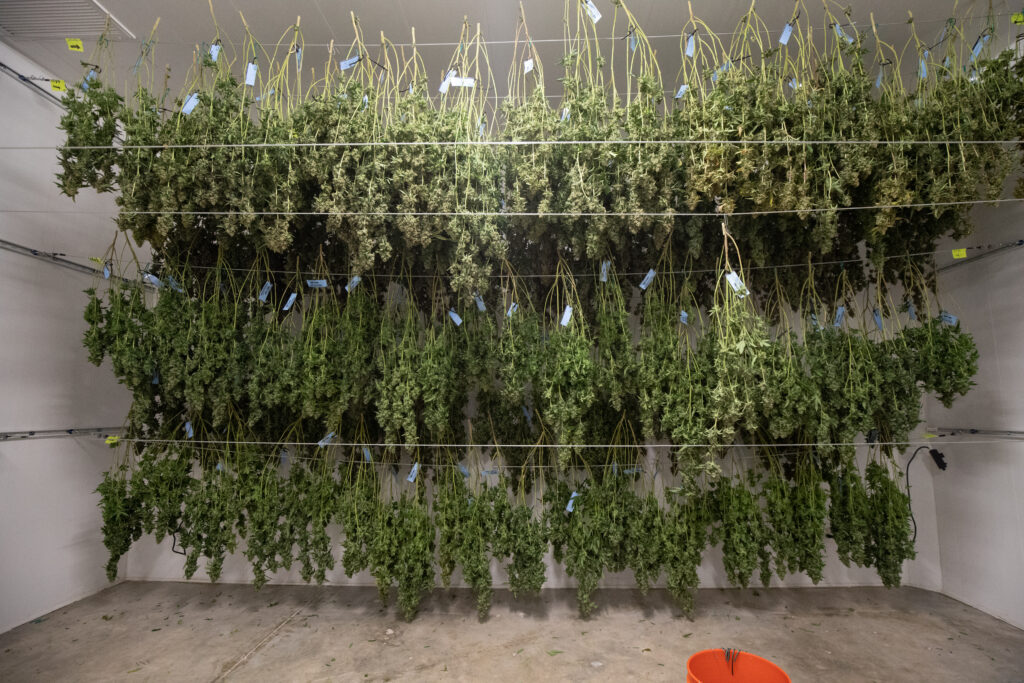
Review Curing Your Weed for the Best Smoke now so your post-harvest plan is set before harvest starts.
Get the Harvest Workflow Ready
Clean scissors, gloves, labels, hangers, racks, bins, and whatever you use to keep cultivars separated. Decide whether to hang whole plants, larger branches, or smaller sections based on your space and drying setup.
Label everything as it comes down. Once several cultivars hang in the same room, they are much harder to identify than when they’re standing in the garden.
Build a Harvest Plan Before the Weather Builds One for You
A good September harvest plan gives you options. You know which plants are closest, which branches need support, where mold pressure is highest, and how much drying capacity you have. That makes it easier to respond when a storm or cold snap shows up in the forecast.
Before you cut, run through this quick check:
- Check trichomes at several flower sites.
- Compare flower maturity with the cultivar’s expected finish window.
- Inspect dense flowers for bud rot, caterpillar damage, or dead sugar leaves.
- Recheck stakes, cages, trellis, and branch ties.
- Adjust watering to cooler September conditions.
- Avoid last-minute heavy pruning or unnecessary feeding changes.
- Clean and test the drying space.
- Prepare clean tools, labels, gloves, and hanging space.
- Check the local forecast and know which plants you would harvest first if conditions turn bad.
You do not need every plant to come down on the same day. A harvest plan should give you room to let a plant finish when conditions allow and move quickly when they do not.
FAQs About Outdoor Cannabis Harvest Preparation
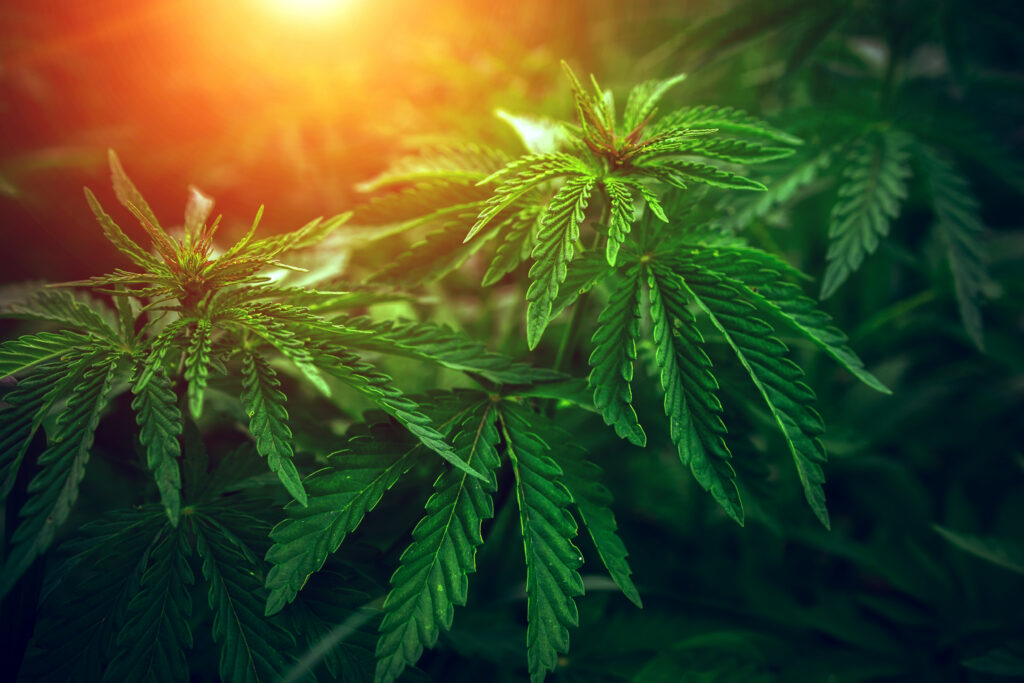
Look at several maturity signals together. Check trichomes with magnification, look at flower development and pistil changes, consider the cultivar’s expected finish window, and compare several sites on the plant. Don’t harvest just because a certain date has arrived.
Not every rain forecast means you should cut an immature plant. Consider how close the plant is to maturity, how long the wet weather is expected to last, whether the flowers are dense, and whether you already see mold or damage. If the crop is already in the harvest window and a prolonged wet stretch is coming, weather risk becomes a bigger part of the decision.
Don’t let the root zone get severely dry just because harvest is close. Water based on actual soil or media moisture and adjust for cooler weather. The plant should finish with a functioning root zone rather than being pushed into unnecessary drought stress.
No. Different cultivars and phenotypes can finish at different times, even when they were planted together. Harvest plant by plant, or in stages when needed, based on maturity and plant condition.
Get Ready for Croptober Before It Gets Here
September is when a good harvest starts becoming a good post-harvest plan. Check maturity carefully, keep late-season problems out of the flowers, and have your drying space ready before the first branch comes down.
Start with quality cannabis seeds, then carry that same attention to detail through the final weeks of flower and harvest prep. A clean finish, good timing, and careful handling help protect the crop you spent all season building. Check out Mosca’s New Drops to buy cannabis seeds for your next grow.