
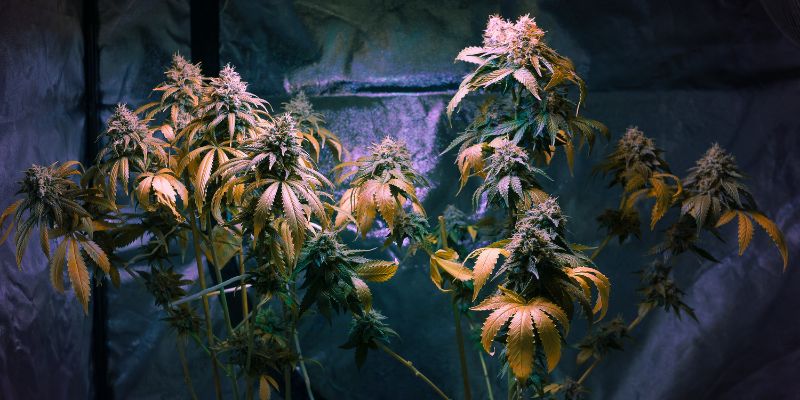
Cleaning Your Grow Room Between Cycles
A clean grow room gives your next crop a better start before the first seed pops. After each cycle, your tent or room can hold dust, plant residue, mineral buildup, pest debris, mold spores, bacteria, and old runoff. Pots, tools, filters, fans, sensors, trays, and surfaces can all carry problems into the next run if they are not cleaned properly.
A between-cycle reset is more than basic cleanup. It helps reduce mold risk, lower pest pressure, protect yield, and ensure your equipment is still working as it should. Before you start the next run, clean the space, sanitize reusable gear, inspect airflow, wash filter covers, recalibrate sensors, and look back at how the room performed last cycle.
Why Grow Room Cleaning Matters Between Cycles
Indoor cannabis growing depends on control. You manage light, humidity, airflow, temperature, watering, nutrients, and plant spacing. A dirty room can quickly throw off that control.
Old plant debris, used soil, standing water, dirty tools, and dusty fans give pests and pathogens places to hang on between cycles. University of Minnesota Extension notes that dirty gardening tools and pots can spread disease from infected plants to healthy plants through soil, plant debris, sap, and contaminated surfaces. The same idea applies indoors. One contaminated pot, tray, or pruning tool can bring disease pressure into the next crop.
A proper reset helps lower that risk. It also gives you a chance to catch equipment issues while the room is empty. If a fan is weak, a sensor is drifting, a filter cover is clogged, or a humidity controller is reading wrong, it is much better to find that out before plants are back in the space.
Start With a Full Room Breakdown
Before you sanitize anything, remove all plant material, used media, loose debris, old ties, dead leaves, and trash. Cleaning works best when the room is empty and easy to inspect. If you clean around clutter, you are likely to miss the spots where problems hide.
Take out movable equipment, including trays, pots, risers, trellis parts, stakes, irrigation lines, scissors, and hand tools. Sweep or vacuum dry debris first. Then wipe surfaces with detergent and water before applying any disinfectant.
That order matters. Experienced growers recommend prewashing tools, pots, flats, benches, and equipment to remove soil and plant debris, as disinfectants do not work well when organic material is present.
Think of it as two steps: clean first, sanitize second. Cleaning removes dirt and residue. Sanitizing or disinfecting reduces what is left behind.
Surface Sanitation in the Grow Room or Grow Tent

Once debris is removed, focus on the surfaces that plants and equipment touch most often. Tent walls, trays, saucers, benches, floors, reservoirs, irrigation fittings, and work surfaces should all be cleaned between cycles.
Warm water and mild detergent are usually enough for the first pass. After that, use an appropriate disinfectant on non-porous surfaces. Follow the label, allow the right contact time, and do not mix chemicals. University of Minnesota Extension warns that bleach should not be mixed with anything except water or laundry detergent because dangerous gases can form. It also notes that isopropyl alcohol at 70% or higher can disinfect surfaces against bacteria, fungi, and viruses.
For cannabis growers, simple and consistent beats harsh and sloppy. A clean, rinsed, dry surface is safer than a room that smells like chemicals but still has plant debris in the corners.
Clean and Sanitize Pots, Trays, and Tools
Pots and tools deserve their own reset. Reused containers, pruning shears, scissors, stakes, plant clips, and transplant tools can all move disease pressure from one cycle to the next.
Empty pots and trays completely. Scrub out old soil, root debris, and mineral buildup. Rinse them well, then sanitize before reuse. This matters even more if the last crop had mold, root issues, pests, or unexplained plant decline. UMass Extension also recommends washing reusable containers thoroughly to remove soil particles and plant debris before disinfecting, even when disease was not obvious in the previous crop.
Pruning tools should be cleaned before storage and disinfected before use. Sap, residue, and microscopic pathogens can cling to blades. If tools are visibly dirty, a quick wipe is not enough. Clean them, sanitize them, and dry them properly to help prevent rust.
A simple between-cycle tool reset:
- Remove visible sap, soil, and plant residue.
- Wash tools with detergent and water.
- Disinfect blades or contact surfaces with an appropriate sanitizer.
- Rinse metal tools if needed to prevent corrosion.
- Dry completely before storage.
This step is easy to skip, but it is one of the most practical ways to reduce disease transfer.
Fans, Airflow Equipment, and Filter Covers
Air movement helps keep an indoor room stable, but fans also collect dust, trichome residue, lint, and other airborne debris. Between cycles, inspect oscillating fans, intake fans, exhaust fans, fan guards, and any duct openings you can easily reach.
You do not need to deep-clean ductwork every cycle unless there is a known contamination issue, heavy dust buildup, pest problem, or airflow restriction. In many tents and grow rooms, ducting exhausts outside the grow space, and it is not realistic to clean after every run. Focus first on the equipment that directly affects airflow inside the grow environment.
Remove dust from fan blades and guards. Wipe fan housings. Check for wobbling, weak airflow, noisy bearings, or inconsistent speed. A fan can still turn on and still fail to move enough air through the canopy.
Carbon filters should be inspected as well, but they do not always need to be replaced after every cycle. A quality carbon filter can last through multiple runs when sized correctly and well-maintained. One of the easiest ways to extend its life is to clean the filter cover or pre-filter after every harvest. That cover traps dust and debris before they reach the carbon bed. When it clogs, airflow drops, and the filter has to work harder.
Between cycles, remove the filter cover, wash it according to the manufacturer’s guidance, let it dry fully, and reinstall it before the next run. Never reinstall a damp cover. Moisture can hurt filter performance and create new problems.
Replacing Filters and Reviewing Airflow
Not every filter needs to be replaced every cycle, but every filter should be checked. Carbon filters, intake filters, pre-filters, and HVAC-related filters all affect air movement and odor control.
Replace filters when you see clear signs of failure, such as odor breakthrough, reduced airflow, visible clogging, damaged material, or poor performance even after cleaning the pre-filter. If your last crop had mold or pests, inspect the filtration more closely.
Airflow works as a system. Exhaust, intake, circulation fans, and filter resistance all affect each other. If one part is dirty or restricted, the room may struggle to control humidity and heat. That can raise the risk of powdery mildew, bud rot, and uneven plant development in the next cycle.
Recalibrating Environmental Controls
After the room is clean, check the equipment that controls the environment. Sensors and controllers guide humidity, temperature, irrigation, fan speed, lighting, and dehumidification. If the readings are wrong, the room may look stable while the plants are actually under stress.
Check temperature and humidity sensors between cycles. Compare them against a trusted reference device, replace weak batteries, clean dusty sensor housings, and make sure probes are placed correctly. Temperature and humidity sensors should be shielded from direct sunlight and preferably aspirated. For indoor growers, that reinforces how much sensor placement matters.
Poor sensor placement can give you false confidence. A humidity sensor placed too close to a fan, dehumidifier, wet floor, light fixture, or tent wall may not reflect canopy conditions. The goal is to measure the environment your plants are actually sitting in.
During the reset, review:
- Temperature and humidity sensor accuracy
- Controller set points
- Light timers
- Dehumidifier function
- Fan speed settings
- Irrigation timers
- Backup alarms or notifications
Environmental calibration does not need to be complicated. It just needs to be consistent.
Prevent Mold Before the Next Crop Starts
A clean grow room helps reduce mold risk, but mold prevention also depends on steady environmental control. Spores are always around. The goal is to avoid giving them the conditions they need to spread.
High humidity, weak airflow, wet surfaces, crowded canopies, and plant debris all increase the risk of mold. Between cycles, remove organic matter and let the room dry completely after cleaning. Do not restart a grow in a damp tent or room.
This is also the right time to review the humidity from the last cycle. Did late flower humidity creep too high? Did condensation form on the tent walls? Did airflow feel weak under the canopy? Fix those issues before new plants go in.
A clean room with stable humidity control gives the next crop a stronger start.
Review Grow Room Efficiency Before the Next Cycle
A deep clean is also a good time to improve how the room runs. Many indoor growers use the space between cycles to plan the next run, make small adjustments, and fix problems that showed up during the last crop.
Look back at the previous grow and ask practical questions. Did the room run too hot? Did the dehumidifier run constantly? Did fans leave dead zones? Did lights create uneven canopy development? Did the carbon filter struggle late in flower?
Small changes can make the next cycle easier to manage. Repositioning fans, improving plant spacing, washing filter covers, replacing clogged filters, recalibrating sensors, and adjusting light height can all improve room performance without major upgrades.
Efficiency is not only about electricity. It is about making the room easier to control.
Indoor Reset Checklist Before Your Next Cycle
A full reset should leave the space clean, dry, functional, and calibrated. Before starting the next run, make sure the basics are handled.
Your indoor reset should include:
- Removing all plant debris and used media
- Cleaning and sanitizing pots, trays, and tools
- Wiping the walls, floors, benches, and hard surfaces
- Cleaning fans and accessible airflow equipment
- Washing carbon filter covers or pre-filters
- Inspecting filters for airflow or odor issues
- Checking sensor accuracy and placement
- Testing timers, controllers, fans, and dehumidifiers
- Reviewing humidity and airflow issues from the last cycle
- Letting the room dry fully before adding plants
This gives the next crop a cleaner environment and gives the grower a more predictable starting point.
Frequently Asked Questions About Cleaning a Grow Room
How often should I deep clean a grow room?
Deep clean a grow room or grow tent between every harvest and before starting the next cycle. Light maintenance during the grow helps, but a full reset is easiest when the space is empty.
If the previous crop had pests, mold, mildew, root disease, or unexplained stress, clean more thoroughly. Pots, tools, trays, fans, and contact surfaces should all be cleaned and sanitized before reuse.
What disinfectants are safe for grow rooms and tools?
The right disinfectant depends on the surface, material, and label directions. Many growers use alcohol for small tools and hard surfaces. Diluted bleach or labeled horticultural disinfectants may be used for pots, benches, and other non-porous surfaces.
Clean first, disinfect second, and follow the label. Do not mix cleaning products, especially bleach with ammonia or acidic products. Let surfaces dry before bringing plants back into the room.
Should I replace carbon filters every cycle?
No. A good carbon filter can last through multiple cycles when it is properly sized and maintained. Replacement depends on odor control, airflow, operating hours, humidity, and filter quality.
Clean the filter cover or pre-filter after every harvest. Washing it and letting it dry fully helps keep dust and debris out of the carbon bed, which can extend filter life.
How often should sensors be recalibrated?
Check sensors between cycles and any time readings do not match what you see in the plants. Temperature, humidity, pH, and EC meters can drift over time, especially in humid grow environments.
At a minimum, compare environmental sensors against a trusted reference before each new cycle. Calibrate pH and EC meters according to the manufacturer’s instructions, especially if they guide feeding decisions.
Does cleanliness affect terpene quality?
Cleanliness does not create terpenes. Genetics, environment, nutrition, harvest timing, and curing all influence terpene expression. A clean grow room helps protect quality by reducing mold pressure, pest stress, and environmental swings.
Plants in a cleaner, better-controlled space are less likely to deal with stress that can interfere with healthy flower development. Clean rooms support the conditions that let genetics perform well.
Start Clean, Grow Strong
A proper indoor reset protects the next cycle before it begins. Clean surfaces, sanitized pots and tools, washed filter covers, inspected airflow, and accurate sensors all help lower risk and improve consistency.
Indoor growing depends on control. That control starts with a clean, dry, well-functioning space. Treat the reset as part of the grow, not something you rush through after harvest, and always remember – quality plants start with quality seeds.
Mosca Seeds has spent more than 15 years developing cannabis genetics for vigor, consistency, and real-world grow performance. A clean environment helps growers protect that potential from the seedling stage through harvest. Explore Mosca’s latest cannabis seeds and start your next cycle with genetics built for serious cultivation.