

Late in flower, your buds are stacking weight, swelling with trichomes, and getting ready for harvest—or are they? For many growers, especially newer ones, it can be tough to tell whether a plant is bulking up naturally or showing cannabis stress signals. One of the most common misreads is confusing regular bud swell with cannabis fox-tailing, a growth pattern that may indicate a problem with your environment or genetics.
Understanding the difference between late flower bud swelling and stress is key to knowing when to adjust your grow and when to leave your ladies alone.
What Is Late Flower Bud Swelling? Normal Late-Stage Growth Explained
Bud swell is the natural, desirable thickening of cannabis flowers during the final weeks of the bloom phase. As the plant focuses its energy on flower production, calyxes begin to swell, fattening up into denser buds. This stage is often triggered by proper light cycles, cooler nighttime temperatures, and dialing back nitrogen in favor of phosphorus and potassium. The result is rich, chunky colas packed with resin and terpenes.
Some telltale signs of healthy bud swell include:
- Rounded calyxes forming compact, symmetrical flower clusters
- Buds that grow denser, not taller or stretched
- Consistent development across the canopy
- A strong, pungent aroma as terpene production peaks
- Increased trichome production on sugar leaves and buds, with pistils darkening and receding
Swelling is a good sign your plant is nearing maturity, and if everything else looks healthy, you’re likely on track for a successful harvest. This is a critical time when yield and potency reach their peak. While swelling can appear dramatic, especially to newer growers, it’s usually a sign of success, unless it’s accompanied by stretching, leaf stress, or abnormal top growth, which could signal fox-tailing instead.
What Is Cannabis Fox-Tailing?
Fox-tailing describes an unusual bud formation in which new calyxes stretch outward or upward into spire-like projections, giving the buds a wispy, elongated appearance. These stacked formations resemble a fox’s tail, hence the name, and they typically emerge late in flower. This might be caused by either genetic expression or environmental stress.
When fox-tailing is genetic (common in some sativa-heavy strains), it usually appears symmetrical and uniform. But when it’s caused by heat, light stress, or nutrient imbalance, it tends to look random, uneven, and elongated.
Not all fox-tailing is bad. In some sativa-dominant strains, fox-tailing is a natural expression of the plant’s genetics, often appearing symmetrical and evenly spaced. But in many cases, it’s a stress response to high heat, intense lighting, or nutrient imbalance. When stress is the cause, fox-tailing tends to look erratic—thin, uneven, and structurally unstable.
To dive deeper into what causes fox-tailing and how to avoid it, check out our blog on Cannabis Foxtails: Causes, Identification, and Prevention.
Identifying Late Flower Bud Swelling: Normal Growth in the Late Growth Stage
As harvest nears, healthy cannabis plants undergo a final burst of development known as “bud swell.” This is a natural and desirable phase when calyxes expand and stack more densely, giving buds a plump, tight appearance. In correctly dialed-in environments, swelling is a sign your plant is maximizing yield and resin production during the late flowering stage.
Key indicators of normal cannabis bud swelling include:
- Uniform swelling across the canopy
- Buds that grow tighter and denser, not elongated or stretched
- Continued pistil darkening and receding into the bud
- Trichome coverage is steadily increasing
If environmental factors are stable and genetics support large flowers, swelling at this stage is a sign of success, not stress. It’s also common during the final weeks for buds to become noticeably heavier and stickier, which can sometimes alarm newer growers into thinking something has gone wrong. Monitoring your plant’s overall health will help confirm whether what you’re seeing is late-stage swelling or fox-tailing.
How to Tell the Difference: Bud Swell vs. Fox-Tailing
Late flowering can bring explosive changes to bud structure, but not all growth is good growth. To distinguish between healthy swelling and unwanted fox-tailing, it’s important to assess more than just shape. Look at structure, symmetry, and plant health in context.
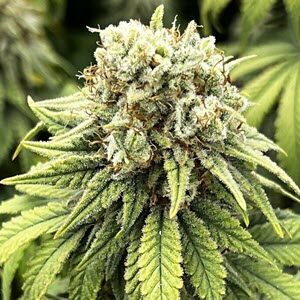 Bud swell typically shows:
- Dense, rounded calyxes stacked closely
- Uniform bud structure across the canopy
- A balanced, full-bodied cola shape
- Strong trichome coverage and aroma development
Fox-tailing typically shows:
- Spire-like calyx growth stretching upward or outward
- Random or uneven projections, often thin or wispy
- Buds with inconsistent density or symmetry
- Isolated occurrences on stressed or heat-exposed branches
Environmental factors play a significant role. If your lights are too close, temperatures are spiking, or the nutrient profile has recently shifted, fox tailing becomes more likely. Genetics also matter; some cultivars naturally express foxtails even under ideal conditions.
Ask yourself:
- Has this strain displayed foxtails in the past?
- Are the buds growing tighter and denser—or looser and elongated?
- Are other signs of stress (curling leaves, bleaching, tip burn) present?
- Is growth consistent across the plant, or isolated to hotspots?
The more aligned your environment and genetics are, the easier it becomes to tell whether your buds are simply finishing strong or signaling stress.
Causes of Fox-Tailing: Environmental and Genetic
A combination of genetic factors and environmental stress can cause fox-tailing. It’s essential to understand which factors are within your control and which are not.
Environmental Triggers (Controllable):
- Excessive heat: High canopy temps, especially above 85–90°F, can disrupt flower formation and trigger fox-tailing.
- Light stress: Powerful grow lights placed too close to buds—especially high-intensity LEDs or HPS—can overstimulate flower sites.
- Nutrient imbalance: Overfeeding or improper NPK ratios during late flower can alter growth patterns.
Genetic Predisposition (Uncontrollable):
- Some sativa-dominant strains naturally exhibit fox-tailing, especially in later stages of flowering.
- When genetic, fox-tailing is usually symmetrical and doesn’t harm yield or potency.
Not all foxtails are a cause for concern. In some cases, the structure is purely cosmetic. But if the cause is stress-related, it could indicate suboptimal growing conditions that may affect overall yield, density, or cannabinoid development.
For strong, stable genetics that finish dense and resin-rich, browse the latest lineup on our Seed Menu. Start your next grow with premium seeds you can count on.
When to Worry about Fox Tailing—and When Not To
Fox-tailing isn’t always a red flag. Sometimes it’s just the plant doing what it’s genetically programmed to, especially in cultivars with hazy or exotic lineages. The key is to know what’s normal for your strain.
Harmless Fox-Tailing:
- Uniform, symmetrical formations that don’t compromise bud density
- No signs of other stress (e.g., burned tips, yellowing, weak aroma)
- Genetics that are known for this growth pattern
Problematic Fox-Tailing:
- Asymmetrical, spindly protrusions that appear suddenly
- Accompanied by heat stress signs, light burn, or overfeeding
- Visible impact on bud density or trichome development
If you notice fox-tailing late in flower due to environmental stress, don’t panic—but do act. Slightly raising your lights, adjusting nutrients, or dialing back temps can reduce further foxtail growth without pushing your plant past its harvest window. Proper trimming can also help preserve the quality of your final product without sacrificing aesthetics or smokeability.
Keep Your Eyes on the Whole Plant
Late flower can bring dramatic visual changes, and not all of them are cause for concern. Bud swell and fox-tailing can look similar at first glance, but their causes and implications are very different. Understanding the distinction helps growers avoid unnecessary panic and focus on optimizing their final weeks of flower.
If you’re seeing vertical growth, don’t rush to make corrections. Ask yourself: Is the plant otherwise healthy? Has this strain done this before? Are temps and light intensity within the target range? Answering those questions can help you decide whether it’s a genetic quirk or a stress signal worth correcting.
Need more help identifying or preventing cannabis fox-tails? Check out our detailed guide on causes, identification, and prevention.
Mosca Seeds provides expert resources to help cultivators get the most from every grow cycle. From identifying fox-tailing to selecting genetics that finish strong, we support your success from seed to harvest. Start your next run with premium cannabis seeds from our Seed Menu.