
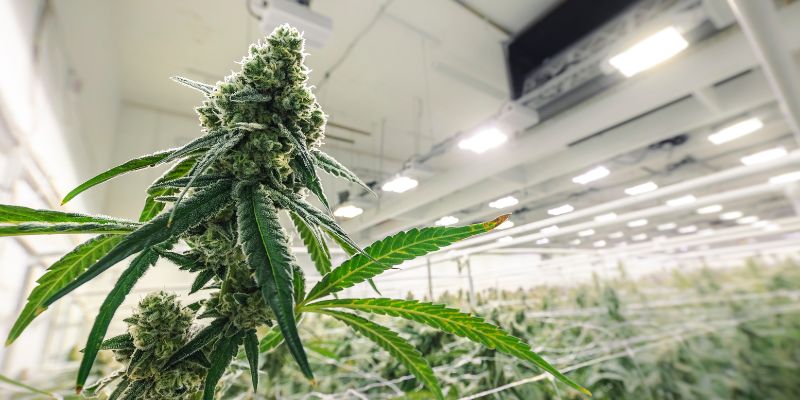
Sustainable cannabis cultivation has become a critical focus as the industry continues to expand. Indoor cannabis production offers control and consistency, but it is also one of the most energy-intensive forms of agriculture. Continuous lighting, climate control, and ventilation systems drive high electricity use and contribute significantly to a grow’s overall carbon footprint.
As utility costs rise and states begin enforcing energy efficiency standards, growers are paying closer attention to how power is used throughout the cultivation cycle. Reducing energy consumption no longer means compromising yield or quality. Advances in lighting technology, environmental controls, and genetics allow growers to lower emissions and operating costs while maintaining high performance. Understanding how energy is consumed and where efficiency gains can be made is the foundation of sustainable cannabis cultivation.
The Carbon Footprint of Indoor Cannabis Cultivation
Indoor cannabis cultivation requires continuous electrical input, with lighting and climate control systems accounting for most of the energy demand. Artificial lighting, heating, cooling, dehumidification, and air circulation run for long periods throughout each grow cycle, driving significant electricity consumption. Life-cycle studies of U.S. cannabis production estimate that indoor cultivation contributes tens of millions of metric tons of carbon dioxide emissions annually.
On a per-harvest basis, intensive indoor grows can generate several thousand kilograms of CO? equivalent per kilogram of dried flower. This energy intensity far exceeds that of outdoor or mixed-light greenhouse cultivation. For growers, the carbon footprint of an indoor operation directly affects operating costs, regulatory exposure, and long-term business viability.
Carbon footprint is not an abstract environmental concept. It reflects how many kilowatt-hours are used per cycle, how long lights operate, and how much work HVAC systems must do to manage excess heat and humidity. Improving efficiency in these areas reduces emissions while lowering energy costs and operational risk.
LED vs. HPS: A Critical Shift for Energy-Efficient Grow Operations
Lighting is one of the most influential factors in sustainable cannabis cultivation. For decades, high-pressure sodium (HPS) fixtures dominated indoor grows, but they come with a major drawback: inefficiency. HPS lights convert a large portion of electricity into heat rather than usable light, which drives up both power consumption and cooling demand.
Modern LED grow lights operate far more efficiently. LEDs convert more of the electricity they consume into usable photons while producing significantly less heat. This allows growers to deliver precise control of light intensity and spectrum without overheating the canopy. Independent analyses show that LED systems can operate with roughly 30-35% greater electrical efficiency than traditional HPS lighting.
A detailed industry analysis published by Cannabis Science & Technology found that transitioning a mid-sized indoor facility from HPS to LED lighting could reduce carbon emissions by more than 12,000 tons over a ten-year period, while saving nearly $1.8 million in energy costs during that same timeframe. Lower heat output also reduces HVAC workloads, creating additional energy savings and more stable environmental conditions throughout the facility.
In practice, lighting upgrades do far more than cut electricity bills. They reshape the entire energy profile of an indoor grow, making LED adoption one of the most impactful steps growers can take toward energy-efficient and eco-friendly cannabis cultivation. Learn more about Cannabis Lighting Fundamentals: LED vs. HPS vs. CMH.
Regulatory Pressure Is Accelerating Sustainable Cannabis Cultivation
Energy efficiency is no longer driven solely by economics. State regulators are increasingly focused on the environmental impact of indoor cannabis cultivation, particularly in mature markets. California has been at the center of this discussion after studies showed that cannabis production accounted for a measurable share of statewide electricity demand during peak years of expansion.
Other states and municipalities have followed with energy benchmarking requirements, lighting efficiency standards, and incentive programs tied to reduced power consumption. For commercial growers, these regulations affect permitting, operational planning, and long-term compliance. Investing in energy-efficient systems early allows growers to stay ahead of regulatory changes while protecting margins as operational costs rise.
Sustainable cannabis cultivation is quickly becoming a baseline expectation rather than a competitive advantage.
Best Practices for Energy-Efficient Cannabis Cultivation
Reducing the carbon footprint of an indoor grow requires a system-wide approach. No single upgrade delivers full efficiency gains on its own, but several core practices working together can significantly reduce energy use.
Lighting Strategy
High-efficacy LED fixtures matched to canopy density allow growers to maximize yield per watt. Proper fixture placement, uniform light distribution, and spectrum tuning by growth stage prevent wasted energy and excessive heat buildup.
HVAC and Environmental Control
Climate systems often rival lighting as the largest energy draw in indoor grows. Efficient HVAC equipment, intelligent dehumidification, and balanced airflow reduce unnecessary runtime. Vapor-pressure management allows plants to transpire efficiently without forcing systems to overcorrect.
Monitoring and Automation
Energy monitoring tools and environmental sensors help growers identify inefficiencies before they become costly problems. Automation ensures systems operate only when necessary and respond precisely to changing conditions.
Renewable Energy Options
Where infrastructure allows, solar installations, renewable energy credits, and utility incentive programs reduce reliance on grid power and help offset the overall carbon footprint.
Why Genetics Play a Role in Eco-friendly Cannabis Cultivation
Eco-friendly cannabis cultivation does not begin with equipment. It begins with genetics. Strong, stable genetics respond predictably to energy-efficient conditions and require fewer corrective inputs throughout a grow cycle.
Plants that finish on schedule, express consistent structure, and tolerate optimized LED environments reduce extended lighting periods and excessive climate adjustments. Genetics that perform reliably under modern systems support sustainability by improving efficiency at every stage of production. When plants perform as expected, growers spend less energy fixing problems and more energy producing high-quality flower.
Selecting the right genetics is one of the most overlooked factors in reducing energy use and operating costs.
Frequently Asked Questions About Sustainable Cannabis Cultivation
Indoor cannabis cultivation can be sustainable when growers implement energy-efficient lighting, optimized climate control, and stable genetics. Modern technology enables indoor operations to significantly reduce emissions while maintaining consistent quality and yields.
Most industry data show that LED lighting reduces electricity consumption by approximately 30 percent or more. Additional savings come from reduced cooling demand due to lower heat output.
No. When systems are properly dialed in, energy-efficient cultivation supports stable flower development, cannabinoid expression, and terpene retention. Sustainability does not require sacrificing quality.
Reliable genetics flower predictably and respond well to optimized environments. This reduces extended growth cycles, stress-related corrections, and unnecessary energy use driven by instability.
Grow Green, Literally and Figuratively
Eco-friendly cannabis cultivation is about smarter systems, informed decisions, and long-term responsibility. Energy-efficient lighting, optimized environmental control, and dependable genetics work together to reduce costs while lowering environmental impact. As regulations tighten and energy prices rise, sustainability is becoming a core part of successful cannabis cultivation.
Mosca Seeds develops premium cannabis genetics engineered for consistency, efficiency, and long-term performance. Our cannabis seeds are bred to thrive in modern, energy-efficient grow environments without sacrificing yield or quality. Start building a more responsible grow with proven, sustainable cannabis cultivation.