
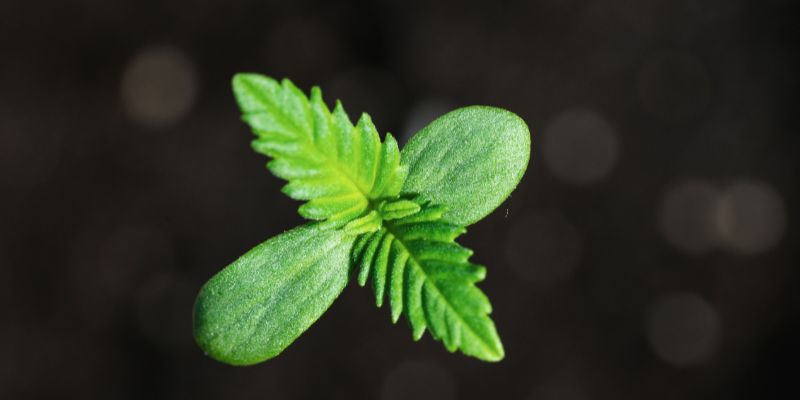
Starting cannabis seeds indoors 4 to 8 weeks before your last frost date gives plants a structural and developmental advantage before they ever see outdoor sunlight. Proper germination temperature, early light intensity, root-zone management, and timing determine whether seedlings thrive or stall. Growers who control the indoor environment early produce stronger transplants, healthier root systems, and more resilient outdoor plants once spring conditions stabilize.
Why Start Cannabis Seeds Indoors Before Spring?
 Outdoor cannabis cultivation is dictated by climate, and in most U.S. regions, the vegetative window is shorter than growers realize. Waiting until warm spring weather arrives before germinating seeds often limits plant size and total yield potential. Starting cannabis seeds indoors allows growers to extend the vegetative period safely, building structure before transplant season begins.
Early indoor starts provide several advantages:
- Protection from unpredictable spring temperature swings
- Controlled humidity and lighting during the most fragile growth stage
- Accelerated canopy development before outdoor transplant
- More uniform growth when working with stable genetics
Seedlings are most vulnerable in their first 14–21 days. Cold soil, fluctuating nighttime temperatures, and excessive spring rain can stall growth or cause damping-off and root stress. Indoors, growers maintain consistent temperatures, stable moisture levels, and precise light exposure.
Professional growers plan backwards from their regional last frost date. If transplanting outdoors in late April or early May, germinating cannabis seeds indoors in early to mid-March creates a controlled 4–6 week indoor vegetative foundation. This timeline produces sturdy stems, developed root systems, and balanced node spacing before exposure to full sun.
The environment sets early structure, but genetics determine how well that environment translates into performance. Strong, stable seed lines show vigorous taproot development, symmetrical seedling growth, and predictable early vigor, traits that become increasingly important once plants transition outdoors.
Starting cannabis seeds indoors is not about rushing the season. It is about building strength intentionally before nature takes over.
Germinating Cannabis Seeds the Right Way
Germination is the first critical step on the path to a successful spring grow cycle. How you begin determines how well your seedling transitions into early vegetative growth and, ultimately, how strong your plant will be when it moves outdoors.
Cannabis seeds contain all the potential they need right from the start, but that potential only expresses when conditions are favorable. The goal during germination is simple: encourage the taproot to emerge using consistent moisture, gentle warmth, and minimal stress.
Before diving into specific techniques, it’s worth reviewing the basics of why seeds sprout. As described in our detailed germination guide, cannabis seeds absorb moisture and activate enzymes that trigger the emergence of the taproot, which then anchors the plant and begins nutrient uptake. If this process is disrupted by cold, drought, or rough handling, seedlings can stall, bruise, or fail.
Ideal Conditions for Germination
Temperature:
Cannabis seeds germinate best between 70–80°F (21–27°C). This range encourages enzymatic activity without stressing the seed. Temperatures below 65°F significantly slow germination, and temperatures above 85°F risk dehydration or heat stress.
Humidity:
Moderate humidity (around 65–75%) promotes moisture uptake through the seed coat. Too little humidity slows the process; too much can create conditions favorable to mold or damping-off pathogens.
Moisture:
Consistent, even moisture is more important than saturation. Seeds should never sit in standing water for long periods. Instead, provide a damp environment that allows the seed to draw moisture gradually.
Professional Germination Methods
While several approaches work, the best method balances reliability with minimal handling stress.
1. Direct to Growing Medium (Preferred)
This is the most robust method for sustainable early development.
How it works:
- Place seeds directly into your chosen medium (soil, coco, or a seedling plug) about 1?4–1?2 inch deep.
- Ensure the medium is moist but not soggy.
- Maintain a stable environment (consistent warmth and gentle humidity).
Why pros like it:
- Reduces risk of taproot damage.
- Allows seedlings to immediately establish roots where they will grow.
- Paces moisture uptake naturally.
This method is ideal for beginners and seasoned growers alike because it keeps the seed in the environment it will ultimately grow into.
2. Starter Plugs (Controlled Transition)
Starter plugs, like Rapid Rooter or similar inserts, create a micro-environment optimized for early root growth.
How it works:
- Moisten the plug first.
- Place one seed in the center.
- Keep under gentle light and stable temps until roots are visible.
Why this works:
- Uniform moisture
- Strong early root structure
- Easier transplant with minimal root disturbance
3. Paper Towel (Visual Confirmation)
This method is often used when growers want direct visual confirmation of taproot emergence before transplanting.
How it works:
- Place seeds between two damp (not dripping) paper towels.
- Keep them in a warm, dark place.
- Once the taproot appears (~2–4 mm), transfer the plant gently into the medium.
Caution:
Taproots are fragile. Mishandling during transfer can stress or damage them, so this method is best for growers who are comfortable with delicate work.
Common Germination Mistakes to Avoid
Successful germination is about environment and patience, not force.
- Overwatering – Too much water suffocates the seed and invites fungal issues.
- Temperature swings – Inconsistent temperatures slow germination and weaken seedlings.
- Direct light too soon – Seeds don’t need strong light until they’ve fully sprouted and developed cotyledons; excessive light too early can heat the medium and cause dehydration.
- Handling the taproot – The emerging taproot is the foundation of the plant. Damaging it during transfer is one of the most common early failures.
Monitoring Seedling Progress
Under ideal conditions, seeds will sprout a taproot within 24–72 hours, though some genetics may take up to a week. Patience paired with environmental consistency is key — stress, disruption, or fluctuating conditions can delay or derail the process.
Once the taproot appears and the seedling emerges above the medium, you are ready to move into the next stage: managed lighting for early vegetative growth, discussed in the next section.
Early Lighting: Building Structure from the Start
Once seedlings open their cotyledons, light becomes the primary architectural influence. Early exposure determines internodal spacing, stem thickness, and overall canopy structure weeks before flowering.
Seedlings do not need intense light. A controlled range of roughly 100–300 µmol/m²/s PPFD provides adequate energy without inducing stress. Excessive light at this stage can stall development, while insufficient light results in vertical stretching and weak stems.
An 18/6 light cycle remains the most practical standard. It provides adequate photosynthetic time while preserving metabolic rhythm. Consistency matters more than extremes; maintaining a consistent distance from fixtures and gradually increasing intensity reduces unnecessary stress during early development.
Preventing Stretch in Cannabis Seedlings
Stretch is one of the most common and costly early-stage mistakes. Once internodes elongate excessively, that structure cannot be reversed.
Stretch is usually triggered by:
- Insufficient light intensity
- Fixtures placed too far from the canopy
- Elevated room temperatures
- Lack of gentle airflow
The solution is balance. Gradually increasing light intensity while maintaining temperatures in the low to mid-70s°F encourages compact growth. Introducing light, oscillating airflow strengthens stems and promotes thicker lignified tissue.
Strong early structure simplifies training and improves resilience later when plants transition outdoors.
Root Development: The Hidden Foundation
Professional growers focus below the soil line during early veg. Root structure determines everything from transplant success to nutrient uptake efficiency.
Starting in smaller containers encourages a dense root ball before transplanting. Moving into a larger container should occur only after roots have sufficiently filled the initial space.
Watering discipline is critical. Seedlings require oxygen-rich media. The most common early mistake is overwatering. Healthy root development depends on:
- Moist but aerated medium
- Proper drainage
- Controlled dry-down cycles
Saturated soil reduces oxygen availability and slows root expansion. A well-developed root system allows the plant to adapt smoothly when moved outdoors into living soil.
Hardening Off Before Outdoor Transplant
The transition from controlled indoor conditions to outdoor exposure must be gradual. Full-spectrum sunlight delivers far more intensity and UV radiation than most indoor lighting systems.
Successful hardening off includes:
- Introducing indirect sunlight for the first 1–2 days
- Increasing exposure incrementally over 7–10 days
- Monitoring for signs of stress, such as leaf droop or discoloration
- Waiting until nighttime temperatures remain reliably above 50°F
Transplanting prematurely can stall growth and erase weeks of structured indoor development. Gradual acclimation reduces shock and prepares plants for outdoor wind, fluctuating humidity, and stronger sun exposure.
When properly hardened off, indoor-started seedlings enter outdoor season ahead of schedule, with stronger stems, developed roots, and greater early vigor.
Frequently Asked Questions About Starting Cannabis Seeds Indoors
1. What temperature do cannabis seeds germinate best at?
Cannabis seeds germinate most reliably between 70–80°F (21–27°C). This temperature range activates the enzymes inside the seed that trigger taproot development. Temperatures below 65°F can dramatically slow germination, while temperatures above 85°F increase the risk of stress or pathogen development.
Consistency is just as important as the actual temperature. Sudden nighttime drops or excessive daytime heat spikes can delay sprouting or weaken early seedlings. Many experienced growers use seedling heat mats in cooler climates to stabilize root-zone temperatures during spring starts.
Maintaining stable warmth during germination sets the tone for uniform growth once plants enter early vegetative development.
2. How long should seedlings stay under 18 hours of light?
Most growers keep cannabis seedlings under an 18/6 light schedule through their entire vegetative phase, including early seedling development. This schedule provides ample energy for photosynthesis while preserving a rest period that supports natural metabolic processes.
During the first two weeks, light intensity matters more than duration. Seedlings require moderate Photosynthetic Photon Flux Density (PPFD) levels and gradually increasing intensity as root systems establish and leaf surface expands. Once plants transition into established vegetative growth, light intensity can be increased while maintaining the same 18-hour schedule.
There is little advantage to continuous 24-hour lighting during this stage, and it can increase environmental stress without improving structural development.
3. When can I move cannabis plants outside?
Cannabis plants should only be moved outdoors after the final frost date in your region and when nighttime temperatures consistently remain above 50°F (10°C). Sudden cold exposure can shock young plants and stall growth.
Equally important is hardening off. Plants raised indoors under artificial lighting must adjust gradually to direct sunlight and wind exposure. Introducing them to outdoor conditions over a 7–10 day period dramatically reduces transplant stress.
Timing also depends on daylight length. Outdoor vegetative growth accelerates once day length increases beyond 14 hours. Planning the transplant around seasonal light cycles helps ensure smoother adaptation and continued growth, rather than reversion or stalling.
4. Should I top cannabis seedlings?
Topping should not occur during the fragile seedling stage. Cannabis seedlings need time to establish roots and develop multiple healthy node sets before structural training techniques are introduced.
Most experienced growers wait until plants are firmly in vegetative growth and have developed at least 4–5 established nodes before considering topping. Premature topping can stunt early development and negate the structural advantage gained from starting seeds indoors.
Healthy early growth, stable lighting, and balanced root development should always precede training decisions.
5. What’s the biggest seedling mistake growers make?
The most common and damaging mistake is overwatering. Seedlings require oxygen in their root zone as much as they require moisture. Constantly saturated media suffocates roots and slows growth, leading to stunted growth or increased susceptibility to root diseases.
Other common early mistakes include:
- Excessive light intensity too soon
- Ignoring temperature swings
- Rough handling during transplant
- Attempting to “push” nutrients before roots are established
Strong genetics can improve resilience, but no seed line compensates for chronic early stress. Controlled environment, patient development, and proper root management determine long-term success.
Starting cannabis seeds indoors before spring is a strategic decision that extends the vegetative window and strengthens plant structure before outdoor exposure. Controlled germination, measured lighting increases, disciplined watering, and careful hardening off build durable plants capable of thriving once natural conditions take over.
Early-stage management directly influences structural integrity, canopy balance, and overall productivity. Growers who treat the seedling stage as foundational rather than transitional consistently achieve stronger outdoor performance.
The advantage begins before the plant ever sees the sun.
Mosca Seeds has spent over 15 years developing premium cannabis genetics built for vigor, resilience, and consistent performance. Our carefully bred feminized strains are designed to thrive whether you start indoors or move outdoors in spring. Explore our collection of elite cannabis seeds and start your next season with proven cannabis genetics.