
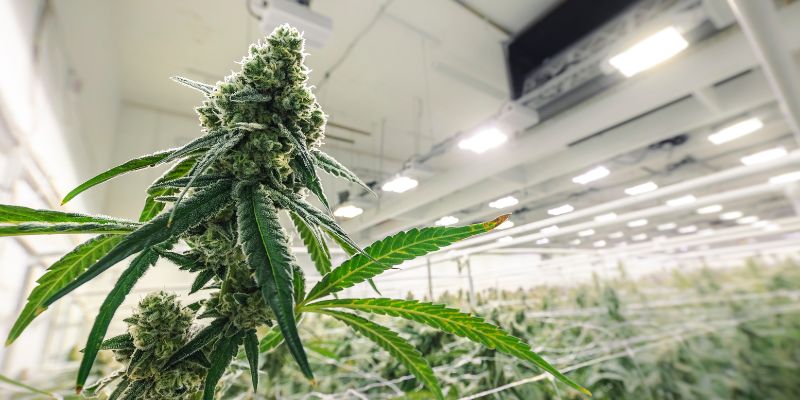
Controlling humidity during the flowering stage is essential for protecting bud structure, terpene retention, and mold resistance. Whether you’re growing indoors or in a greenhouse, rapid weather shifts, like those seen in the fall, can cause humidity spikes that disrupt your environment and put your plants at risk. Even growers with tight climate controls often battle with RH swings as daytime temps drop and overnight condensation increases.
Excess moisture during the flower stage can lead to powdery mildew, botrytis (bud rot), and diminished yield and quality. That’s why managing airflow, monitoring VPD, and investing in the right dehumidification strategy is non-negotiable if you’re after clean, high-potency flower.
What is VPD and Why it Matters for Flowering Cannabis
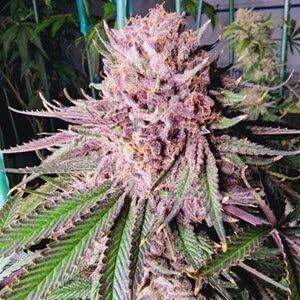 Vapor Pressure Deficit (VPD) is a metric that combines temperature and humidity to measure how efficiently a plant can transpire, or “breathe.” Instead of just looking at relative humidity (RH) or temperature on their own, VPD tells you how much moisture the air can hold versus how much it is holding at a specific temperature. That gap (or “deficit”) determines how much water vapor your cannabis plants can release through their leaves.
Here’s why that matters: transpiration drives nutrient uptake. If VPD is off, either too high or too low, your plants may struggle to feed, grow, or protect themselves.
- Low VPD (high humidity) can stall nutrient movement and increase the risk of bud rot and mold, especially during dense flower production.
- High VPD (dry air) can stress the plant and lead to burnt leaf tips or wilting, as plants lose water too quickly trying to keep up.
Managing VPD during flowering is critical because even small shifts, such as those that occur when fall nights cool, can cause condensation, RH spikes, and mold-friendly microclimates inside colas.
How to Monitor and Manage VPD
To manage VPD effectively, many growers use VPD charts or smart controllers that factor in both air temp and leaf temp (which can differ). The goal is to maintain a VPD “sweet spot” that supports healthy transpiration without drying out the plant or inviting pathogens.
Recommended tools include:
- Infrared thermometers to measure leaf temperature
- Digital hygrometers to track RH accurately
- Automated HVAC or controller systems to maintain ideal ranges in real time
How to Manage Humidity Swings and Prevent Bud Rot During Flower
As cooler nights roll in and daytime temps fluctuate, indoor grows can experience sudden humidity spikes, mainly when warm air condenses on colder surfaces. These swings are hazardous during flowering, when dense buds trap moisture and reduce airflow, making the perfect environment for mold, mildew, and Botrytis (bud rot).
To maintain a stable, healthy growing climate through the fall:
- Use Smart Dehumidifiers with Humidistats
Dehumidifiers are essential once RH rises above safe levels (above 55% during mid- to late flower). Choose models with built-in humidistats that automatically engage when RH exceeds your set point. Place them near your canopy or in the grow tent’s exhaust path to pull out moisture before it recirculates.
- Dial in Air Exchange and Circulation
Airflow is your first line of defense. Oscillating fans help move stagnant air throughout the canopy, while exhaust fans with variable-speed controls let you fine-tune intake and outtake based on outdoor humidity. Be sure your intake filters are clean and that airflow isn’t blocked by dense growth.
- Leaf-Stripping and Canopy Management
Opening your canopy, especially in the lower or interior branches, can help reduce microclimates where condensation can hide. Strategic defoliation around weeks 2–4 of flower improves light penetration and air movement, giving your buds room to breathe without inviting pathogens.
- Track VPD, Not Just RH
As discussed earlier, vapor pressure deficit (VPD) is a better predictor of plant health than RH alone. Target VPD levels between 1.0–1.5 kPa during flower to balance transpiration and moisture load. This helps keep your plants drinking efficiently while minimizing excess surface moisture.
- Avoid Lights-Off Humidity Creeps
Most humidity-related issues creep in after lights go off and temperatures drop. Program your dehumidifiers and HVAC to ramp up during lights-off periods or even run a “lights-off fan boost” cycle for the first 1–2 hours to help remove residual moisture.
Signs of Trouble: How to Spot Mold Before It Spreads
Bud rot rarely announces itself until it’s too late, but there are some early signs growers can catch if they stay vigilant. During flowering, especially in weeks 5–8, walk your garden daily with a careful eye. Look for:
- Discoloration inside buds – Bud rot often starts in the center. If a cola feels unusually soft, darkens, or has greyish fuzz when opened, remove it immediately.
- Wilted or drying sugar leaves – If the sugar leaves surrounding a bud are curling or drying unexpectedly while the rest of the plant looks healthy, it may be a sign of mold forming inside.
- Musty or ammonia-like smells – A dank, sour odor often accompanies the early stages of Botrytis. If your flower room doesn’t smell clean or “fresh green,” inspect your plants more closely.
- Condensation on walls or tent plastic – If you’re seeing frequent condensation, especially during lights-off periods, you’re likely running RH too high and need to increase air movement and dehumidification.
Catch mold early, and you can isolate it. Catch it late, and you may lose the entire crop.
Harvest Timing & Drying Room Control
Even if you’ve made it through the flower stage without an issue, the final phase —harvest and drying —is another critical humidity checkpoint. Mold doesn’t take breaks just because the plants are down.
- Trim wet, dry in a controlled space – Keep drying rooms at 50–60% RH and 60–70°F, with air gently circulating. Avoid pointing fans directly at hanging plants.
- Use passive and active exhaust – A drying tent or room should have an exhaust fan pulling out humid air and some passive intake to replace it with fresh air. Inline duct fans with variable speed controls can be set to maintain ideal RH.
- Monitor closely in the first 72 hours – Most moisture loss occurs early. If RH exceeds 65%, activate your dehumidifier to prevent mold from forming in dense buds.
It only takes a day of inattention to ruin weeks or months of hard work. Invest in the tools to track and control the environment during this final phase. Learn more about Best Practices for Growers: From Germination to Harvest, Flowering, Harvest, and Beyond.
Final Tips for Fall Humidity Control
Seasonal transitions — from hot, dry days to cooler, damp nights — can trigger a sharp rise in humidity and increase the risk of mold. Even experienced growers get caught off guard when environmental swings sneak in during late flower or drying. The key to protecting your harvest is consistency: monitor your RH and VPD daily, automate where you can, and always keep air moving. Learn how to Dry Your Weed Properly for Premium Potent Buds.
Whether you’re in a tent, a basement, or a commercial facility, clean, dry airflow and dialed-in humidity control will protect your buds through the finish line. If you’re harvesting this fall, stay vigilant and treat environmental control like part of your feeding and IPM routine, especially once flowers start to stack. As always, start your grow with high-quality cannabis seeds.
Mosca Seeds offers premium cannabis genetics bred for quality, structure, and high-performance results across grow styles. We provide stable, proven strains with terpene-rich profiles and excellent bag appeal. Start your next grow with elite genetics from our Seed Menu.