
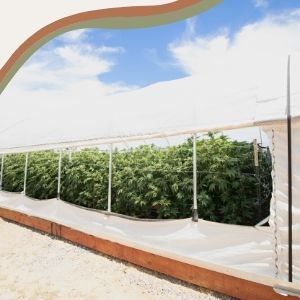
June is when outdoor growers stop planning and start watching the plants. If your cannabis plants are already outside, the job now is helping them settle in, push roots, and move into healthy vegetative growth without getting knocked back by sun, wind, watering mistakes, pests, or heavy feeding.
The first 30 days after transplanting matter because young outdoor plants are still adjusting. They may look good in the pot, but once they hit real outdoor conditions, everything changes fast. Stronger sunlight, cooler nights, drying wind, rain, soil biology, and pest pressure all start shaping how the plant grows.
This is where good outdoor cannabis plant care pays off. The goal is not to force explosive growth overnight. The goal is to help the plant establish a strong root zone, stay upright, build clean structure, and move steadily into veg.
Outdoor Cannabis Plant Care During the First 30 Days
The first month outdoors is all about adjustment. Even healthy plants can slow down for a few days after transplanting while the roots explore new soil and the top growth adapts to stronger light and changing weather.
If you already handled your early-season planning, site selection, and hardening off, this stage builds on that work. If you need a refresher, Mosca’s guide to preparing for outdoor cannabis season covers the important prep steps before plants go outside.
Once plants are in the ground, raised beds, or outdoor containers, pay attention to:
- How quickly the soil dries
- How leaves sit during morning, midday, and evening
- Whether new growth is forming
- How stems handle wind
- Whether pests or leaf damage show up early
- How the plant responds after watering
A little patience goes a long way here. Some growers panic when plants pause after transplanting and start changing everything at once. That usually causes more stress. Watch the plant, make small adjustments, and give the root zone time to settle.
What Happens After Cannabis Plants Move Outdoors
After transplanting, cannabis plants shift their energy toward root expansion. The plant needs to anchor itself, explore the surrounding soil, and adjust to a larger moisture and nutrient zone.
Above the soil, you may see a short slowdown. That does not always mean something is wrong. A plant may pause top growth while the roots catch up, especially if it moved from an indoor setup into direct outdoor conditions.
During this stage, the plant is also adjusting to:
- Full-spectrum sunlight
- UV exposure
- Wind movement
- Wider temperature swings
- Outdoor humidity changes
- New soil biology
- Natural pest pressure
Once the roots start working into the new space, the plant should begin producing fresh growth. New leaves, stronger stems, and steady node development are all good signs that the transplant is taking.
How to Prevent Cannabis Transplant Shock
Cannabis transplant shock usually happens when plants are moved too abruptly, handled too roughly, planted into poor conditions, or fed too hard before the roots are ready.
Hardening off is one of the best ways to prevent it. Plants started indoors need gradual exposure to outdoor sun and wind before they are planted full-time. A plant that has only known indoor light can get stressed quickly if it is dropped into intense midday sun with no transition.
Planting depth also matters. Keep the root ball at a natural level and avoid burying the stem too deeply unless the plant needs mild correction for support. After transplanting, water the root zone thoroughly so soil settles around the roots without leaving air pockets.
Good transplant habits include:
- Transplanting during mild weather or later in the day
- Handling the root ball gently
- Watering after transplanting
- Avoiding strong nutrients right away
- Protecting plants from harsh sun or wind for the first few days
- Watching leaf posture before making big changes
If plants droop briefly after transplanting, give them time. If they stay wilted, pale, curled, or stalled for several days, look at watering, root-zone temperature, sun exposure, and soil moisture before adding more food. For more details on this stage, Mosca has a full guide on transplanting cannabis seedlings.
Watering Outdoor Cannabis Plants the Right Way
Watering outdoor cannabis plants is one of the easiest things to overthink and one of the easiest things to mess up. Young plants need steady moisture, but they also need oxygen at the roots. Deep watering is usually better than frequent shallow watering. Shallow watering keeps moisture near the surface, which can encourage weak root development. Deeper watering helps roots move outward and downward, making the plant more stable as summer heat picks up.
That does not mean drowning the plant. The soil should be moist, not swampy. Soggy roots can slow growth, invite problems, and make the plant look hungry even when nutrients are present. A practical way to check is simple: feel the soil. If the top inch or two is dry but the lower root zone still has moisture, the plant may not need water yet. If the container feels light or the soil is dry deeper down, it is probably time.
Outdoor watering depends on: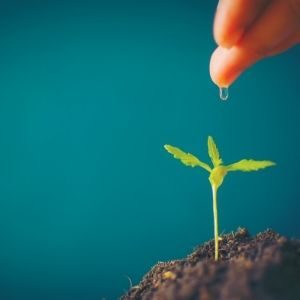
- Plant size
- Container size
- Soil type
- Drainage
- Temperature
- Wind
- Rainfall
- Sun exposure
Plants in fabric pots or smaller containers dry faster than plants in large beds or in-ground soil. Wind can pull moisture out quickly, even when temperatures are not extreme. During hot weather, check plants earlier in the day so you are not guessing when the sun is at its strongest. Learn more about the various methods and benefits of watering cannabis plants.
Early Vegetative Cannabis Care and Nutrients
Early vegetative cannabis care is about building structure without pushing the plant too hard. Young outdoor plants do need nutrition, especially nitrogen for leaf and stem growth, but more food is not always better.
After transplanting, give the plant time to adjust before increasing nutrient strength. If the soil is already amended, there may be plenty of nutrition available. Adding heavy feed too soon can burn young roots or create nutrient imbalance before the plant is actively drinking and growing.
Look at the plant before feeding harder. Healthy early veg growth should show:
- Fresh green growth
- Upright leaves
- Expanding leaf size
- Steady node development
- No major yellowing or burnt tips
- No clawing from excess nitrogen
If the plant is pale and growth is slow, it may need more available nitrogen or better root conditions. If the tips are burnt, leaves are dark and clawing, or growth looks stiff, back off and let the plant recover.
For a broader breakdown of feeding through each stage, check out this nutrient guide: what to feed cannabis plants from seedling to harvest.
How to Protect Young Cannabis Plants from Wind, Heat, and Strong Sun
 Outdoor plants need strength, but young plants can still get beaten up by the elements. Wind, heat, and intense sun can all slow early growth if plants are not ready. Wind stress often shows up as leaning stems, torn leaves, or plants that look tired by the end of the day. A light breeze helps strengthen stems, but constant hard wind can dry plants out and damage tender growth. Temporary stakes, cages, or wind breaks can help young plants establish without restricting natural movement.
Strong sun can also be a problem right after transplanting. If leaves taco upward, curl, bleach, or wilt badly during peak sun, the plant may need gradual exposure or temporary shade cloth. Mulch can help stabilize the root zone by reducing moisture loss and buffering soil temperature. Keep mulch a little away from the stem so the base of the plant stays clean and dry.
Heat stress and drought stress can look similar, so check the soil before assuming. A plant wilting in hot midday sun may recover by evening if the root zone is moist. A plant wilting in dry soil needs water.
Early Pest and Mold Prevention Outdoors
June is a good time to build inspection habits before pest pressure gets worse. You do not need to turn this into a full pest-control mission every morning, but you should be checking plants often.
Look under leaves, around new growth, along stems, and near the soil line. Early pest signs are easier to manage than a full infestation. Small holes, speckling, sticky residue, eggs, webbing, or distorted new growth are all worth paying attention to.
Good early prevention includes:
- Keeping plant bases clean
- Removing dead leaves and debris
- Giving plants enough spacing
- Avoiding wet foliage late in the day
- Maintaining airflow around the canopy
- Checking leaf undersides regularly
- Watching for changes after rain or humid weather
Mold prevention starts before flower. Crowded plants, poor airflow, and wet debris create problems later. Early veg is the time to set plants up with enough space and clean structure.
For growers who want to go deeper, Mosca’s Integrated Pest Management Guide gives a more complete look at inspection, prevention, and pest management habits, including Biological Control Agents (BCAs).
When to Start Training Outdoor Cannabis Plants
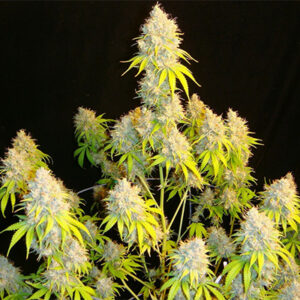 Training should begin once the plant has recovered from transplanting and is actively growing again. Do not top, bend, or prune a stressed plant just because the calendar says it is time. Low-stress training can help open the plant, improve light exposure, and shape the canopy before stems get too rigid. Topping can also be useful for photoperiod plants when they are healthy enough and have enough vegetative time left to recover.
The timing depends on the plant type. Photoperiod plants usually give growers more room to train because they stay in veg until the light cycle changes. Autoflowers move on their own schedule, so aggressive training or poorly timed topping can cost growth that the plant may not have time to replace. That is why it helps to understand the difference between autoflower vs. photoperiod cannabis before deciding how hard to train.
For early outdoor training, keep it simple:
- Wait for active new growth
- Train during mild weather
- Avoid major work right after transplanting
- Bend slowly and gently
- Remove only what needs to go
- Watch recovery before doing more
The goal is better structure, not stress for the sake of stress.
What Healthy Early Outdoor Growth Looks Like
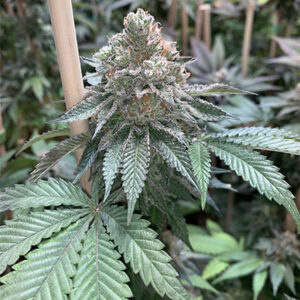
Healthy early outdoor growth is easy to spot once the plant is settled. The leaves should sit upright through most of the day, new growth should appear regularly, and the plant should look a little stronger each week.
Good signs include:
- Fresh green tops
- Steady node spacing
- Stronger stems
- Expanding leaf size
- No repeated wilting
- Roots holding the plant firmly in place
- Soil drying down at a reasonable pace
- New branches beginning to form
Do not judge everything by size alone. Some plants spend the first part of outdoor life building roots before they take off above ground. If the plant has good color, clean posture, and new growth, it is usually moving in the right direction.
Outdoor Cannabis Growing Tips for the Rest of Veg
 The first 30 days outdoors set the tone for the rest of the season. Strong roots, steady watering, early pest checks, and smart training all support healthier plants as they move deeper into veg.
Keep your routine simple. Check plants often, water with purpose, feed gradually, and make changes based on what the plant is showing you. Outdoor growing always brings variables, but growers who stay observant usually catch small problems before they turn into big ones.
Healthy outdoor plants usually come from good timing, steady care, and genetics that can handle real-world conditions. The first 30 days after transplanting are your chance to build strong roots, clean structure, and steady vegetative growth before the season gets more demanding. Contact Mosca Seeds to explore premium cannabis genetics for your next outdoor grow.