
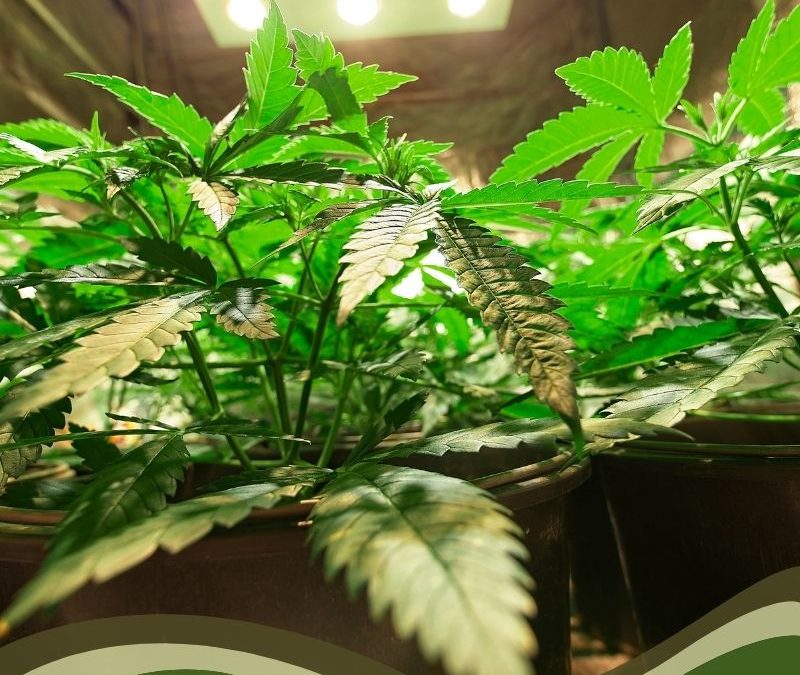
The difference between indoor and outdoor-grown cannabis comes down to environmental control, cost, yield potential, and how each setting influences cannabinoid and terpene expression. Indoor cannabis cultivation offers precision and year-round consistency, while outdoor cannabis cultivation harnesses natural sunlight and seasonal rhythms to produce larger plants with lower energy input. Choosing the right environment depends on your goals, climate, resources, and, most importantly, your genetics.
Why the Indoor vs Outdoor Cannabis Debate Still Matters
The difference between indoor and outdoor-grown cannabis remains one of the most important decisions a grower will make. As cultivation techniques have evolved and technology has advanced, the choice is no longer just about where you grow; it shapes how your plants develop, how much you spend, how consistent your harvests are, and even how your terpene profiles express.
Indoor cannabis cultivation allows growers to control every variable: light intensity, spectrum, temperature, humidity, airflow, and feeding schedules. Outdoor cannabis cultivation relies on sunlight, natural soil systems, and seasonal timing, offering a markedly different growing experience and outcome. Both methods can produce exceptional flower, but the tradeoffs are real.
For growers planning spring gardens, refining indoor cycles, or scaling up production, understanding how environmental factors affect quality, yield, and chemistry is essential. When paired with strong, stable genetics, either cultivation method can succeed, but knowing the difference helps you choose intentionally rather than reactively.
What Defines Indoor Cannabis Cultivation?
Indoor cannabis cultivation is built on environmental control. Growers recreate ideal conditions inside a sealed space using artificial lighting, HVAC systems, dehumidification, and automated feeding schedules. Every environmental input is managed deliberately.
Lighting is the biggest driver. Growers use LED or HPS systems to control intensity, spectrum, and photoperiod. This allows year-round production regardless of season. Temperature and humidity are precisely regulated, reducing environmental stress and limiting variables that could affect cannabinoid production or flower density.
Key Characteristics of Indoor Grown Cannabis:
- Full control over light cycles and spectrum
- Stable temperature and humidity
- Reduced exposure to pests and weather events
- Multiple harvests per year
- Higher operational and energy costs
Indoor cultivation often produces highly dense flower with consistent bag appeal. Controlled stress techniques can also fine-tune resin production. However, this level of precision comes with higher electricity demand and infrastructure costs.
For growers focused on repeatability, uniform harvests, and tight quality control, indoor cultivation offers unmatched consistency.
What Defines Outdoor Cannabis Cultivation?
Outdoor cannabis cultivation relies on natural sunlight, soil ecosystems, and seasonal timing. Instead of recreating conditions artificially, outdoor growers work with their local climate and environment.
Sunlight provides a full-spectrum light source that no artificial system can fully replicate. Plants grown outdoors typically have more root space and can grow significantly larger when planted directly in soil. The result is often higher per-plant yield with lower energy input.
Key Characteristics of Outdoor Grown Cannabis:
- Natural sunlight and seasonal flowering
- Larger plant structure and extended root systems
- Lower energy usage and smaller carbon footprint
- Greater exposure to weather and environmental variables
- Typically, one main harvest per year in most U.S. climates
Outdoor cannabis can develop complex terpene profiles influenced by soil biology, the environment, and seasonal conditions. However, growers must manage risks such as pests, mold, storms, and unpredictable climate shifts.
For growers planning spring cultivation cycles, outdoor growing requires early preparation. Site selection, soil health, genetics selection, and local climate awareness determine success months before flowering begins.
Indoor vs Outdoor Grown Cannabis: Quality & Potency Differences
The debate often centers on potency and quality. Does indoor cannabis produce higher THC? Is outdoor more flavorful?
The reality is more nuanced.
Indoor cannabis cultivation often results in tighter flower structure and visually consistent buds. Controlled lighting can push cannabinoid production effectively when dialed in properly. However, potency is not guaranteed by environment alone.
Outdoor cannabis benefits from natural full-spectrum sunlight, which can influence terpene complexity and plant vigor. Some growers believe sun-grown cannabis expresses broader minor cannabinoid and terpene diversity, though results vary by strain and environmental management.
Genetics ultimately determines the ceiling for cannabinoid and terpene production. The environment influences how close you get to that ceiling.
Cost & Energy Comparison: Indoor vs Outdoor Cannabis Cultivation
One of the most significant differences between indoor and outdoor cannabis cultivation comes down to cost structure and energy demand.
Indoor grows operate year-round using artificial lighting, climate control, and environmental automation. These systems require substantial electricity, particularly for lighting and HVAC. Utility expenses often represent one of the highest operational costs in indoor cannabis production. Equipment investment, facility buildout, and maintenance also increase overhead.
Outdoor cannabis cultivation, on the other hand, relies primarily on sunlight and natural airflow. This dramatically reduces energy consumption and lowers operating costs. However, outdoor growers trade electrical expense for environmental exposure and seasonal timing constraints.
Indoor Cannabis Cultivation Costs
- Higher electricity usage (lighting + HVAC)
- Capital investment in equipment and infrastructure
- Greater consistency in output
- Ability to produce multiple harvests per year
Outdoor Cannabis Cultivation Costs
- Minimal lighting-related electricity use
- Lower infrastructure expenses
- One primary harvest season (climate dependent)
- Higher environmental risk exposure
The economic equation often comes down to scale, market positioning, and local climate. Commercial cultivators may use indoor operations for boutique, high-consistency flower, while outdoor farms focus on larger yields at lower energy input.
Carbon Footprint & Sustainability Considerations
Sustainability has become a central topic of discussion in modern cannabis cultivation. Indoor production is among the more energy-intensive forms of agriculture due to the demands of lighting and climate control. This translates directly into carbon emissions.
Outdoor cannabis cultivation significantly reduces electricity consumption because sunlight replaces artificial lighting. However, outdoor operations must manage water use, land impact, and pest control responsibly.
A growing number of cultivators are adopting hybrid models such as mixed-light greenhouse systems. These facilities use natural sunlight supplemented by high-efficiency LED lighting when needed. This approach reduces carbon footprint while maintaining environmental control.
Sustainable cannabis cultivation practices include:
- Transitioning to energy-efficient LED lighting
- Improving HVAC efficiency and airflow design
- Implementing water recapture systems
- Monitoring environmental inputs with automation
- Selecting genetics that perform efficiently under targeted conditions
As regulations tighten in certain states and electricity rates rise, growers are increasingly evaluating how indoor and outdoor cultivation decisions affect long-term viability.
Which Growing Method Is Right for You?
Choosing between indoor and outdoor cannabis cultivation depends on goals, geography, and resources.
If you prioritize full environmental control, uniform output, and year-round production, indoor growing may be the better option. It allows growers to fine-tune every variable and reduce exposure to environmental disruption.
If you prioritize sustainability, reduce energy use, and potentially larger plant sizes, outdoor cultivation may be the logical approach, particularly in regions with strong growing seasons and low humidity.
For many growers, the future lies somewhere in between. Mixed-light systems, greenhouse grows, and energy-efficient indoor operations are bridging the gap between control and sustainability.
Regardless of the environment, success begins with high-quality seed genetics. The environment can influence structure, resin production, and terpene development, but genetics determines what the plant is capable of achieving in the first place.
Why Cannabis Genetics Matter in Indoor and Outdoor Grown Cannabis
Whether cannabis is grown indoors or outdoors, genetics define the plant’s potential for structure, cannabinoid production, terpene expression, and stress tolerance.
Indoor environments reward stable genetics that respond predictably to controlled light intensity and spectrum. Outdoor environments reward vigor, mold resistance, and environmental resilience.
High-quality cannabis seeds reduce unpredictability across both setups. Growers who start with proven, stable seed lines spend less time correcting issues and more time optimizing their cultivation environment.
Strong genetics allow growers to:
- Maximize yield in either environment
- Maintain terpene integrity across seasons
- Reduce stress-related variability
- Improve consistency harvest after harvest
Indoor vs outdoor cannabis cultivation will always be debated, but both methods benefit from starting with well-bred, reliable seed genetics.
Frequently Asked Questions About Indoor vs Outdoor Cannabis Cultivation
1. Is indoor cannabis more potent than outdoor cannabis?
Not necessarily. Indoor cannabis cultivation allows precise control over lighting, temperature, and humidity, which can optimize cannabinoid production and produce consistently dense flower. However, potency ultimately depends on genetics first, environment second. Outdoor cannabis grown under full-spectrum sunlight can produce equally high cannabinoid levels when supported by strong genetics and proper environmental management.
2. Does outdoor cannabis have better terpene profiles?
Outdoor cannabis often develops complex terpene expressions due to natural sunlight and soil biology. Full-spectrum sun exposure and living soil interactions may influence aromatic diversity. That said, terpene development depends heavily on genetics, harvest timing, and curing practices. Both indoor and outdoor cultivation can produce rich terpene profiles when managed correctly.
3. Which growing method produces higher yields?
Outdoor cannabis typically produces larger plants and higher per-plant yields because roots can expand freely in natural soil environments. Indoor cannabis cultivation allows multiple harvests per year, which can offset smaller per-plant size. Yield comparisons depend on plant count, facility size, genetics, and local growing conditions rather than environment alone.
4. Is indoor cannabis more consistent than outdoor?
Indoor cultivation generally provides greater consistency because growers control every environmental variable. Light intensity, photoperiod, airflow, and feeding schedules remain stable throughout each cycle. Outdoor cultivation introduces variables like weather swings and pest pressure, but strong, stable cannabis genetics can still perform reliably in natural environments.
5. Which method is more sustainable: indoor or outdoor cannabis cultivation?
Outdoor cannabis cultivation typically has a smaller carbon footprint because it relies on sunlight instead of artificial lighting and energy-intensive HVAC systems. Indoor cannabis cultivation consumes significantly more electricity but allows for efficiency improvements through LED lighting, automation, and energy management systems. Many growers are now adopting hybrid or mixed-light approaches to balance sustainability with environmental control.
Choosing between indoor and outdoor cannabis cultivation is not about which method is superior; it’s about aligning environment, resources, and genetics with your goals. Indoor growing offers precision and year-round control, while outdoor cultivation leverages the power of the sun and seasonal cycles for scale and sustainability. When growers understand how environmental factors influence structure, resin production, and overall performance, they can make strategic decisions that maximize both quality and consistency.
The real advantage comes from pairing the right grow environment with stable, proven genetics. Strong cannabis genetics perform predictably whether under LED lights or full summer sun, reducing guesswork and helping cultivators focus on refinement rather than correction.
Mosca Seeds has spent more than 15 years developing high-quality cannabis genetics trusted by growers worldwide. Our carefully bred feminized and specialty strains are designed to perform consistently in both indoor and outdoor environments. Explore our collection of elite cannabis seeds and build your next harvest on proven cannabis genetics.