
Hello Growers! Thanks for checking out my site and seeking the Best Genetics available. We recently began our 25th year of creating Cannabis Genetics. Time sure does FLY by quicker than you think…Recently, we have been hit up by many growers asking about our “older” seeds. This is why we opened our Seed Vault to help growers find their medicine. For example, we had a grower from the Pacific Northwest tell us our Old Time Moonshine was the only strain that helped him with his PTSD! And many other similar examples from other growers exist. As we continue to assist grower worldwide, we wanted to share Mosca’s Tips for Germinating Older Seeds (Note-These tips can be used for new seeds, too).
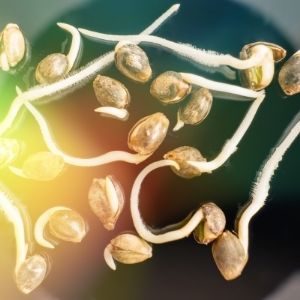
Mosca’s 4 Top Germination Tips for Older Seeds:
1) “Seed Scarification” is the process of intentionally weakening, scratching, or opening the hard outer coat of a seed to allow water and oxygen to enter, which speeds up and improves germination rates. It mimics natural processes—such as passing through an animal’s digestive tract or weathering—that break down tough seed casings.
Why Scarify Seeds? Many seeds, particularly those in the legume family or native wildflowers, develop thick, impermeable shells to survive harsh conditions and prevent premature sprouting. While this protects the seed, it can cause very slow or uneven germination for gardeners. Scarification breaks this dormancy.
Common Methods for Scarification
- Mechanical (Abrasion): The most common method for home gardeners, which involves rubbing the seed with sandpaper, a file, or an emery board until the outer coat is breached.
- Nicking: Using small nail clippers or a sharp knife to carefully make a small cut or nick in the seed coat
- Shaking/Tumbling: Placing seeds in a container with sand or gravel and shaking them to mimic natural abrasive forces. An example is using a toilet paper roll lined with fine sand paper.
2) Hydrogen Peroxide and Distilled Water-Hydrogen peroxide (H?O?) is popular in seed germination because it improves both speed and success rate—when used correctly.
Here’s what it actually does: Hydrogen peroxide is commonly used in seed germination because it enhances oxygen availability right when the seed begins to activate. As it breaks down into water and oxygen, it delivers an immediate boost that helps jumpstart metabolic processes inside the seed. This can lead to faster and more uniform germination, especially with older or slower-to-sprout seeds that need an extra push to get going.
Another key benefit is its ability to act as a mild disinfectant. Hydrogen peroxide helps eliminate bacteria, mold, and fungal spores that may be present on the seed surface or in the soaking environment. By reducing the risk of contamination, it protects seeds during their most vulnerable stage and improves overall success rates, particularly in humid conditions where pathogens thrive.
In addition, hydrogen peroxide can slightly soften the outer seed coat, making it easier for the emerging taproot to break through. This improved permeability also allows water to penetrate more effectively, ensuring consistent hydration throughout the seed. When used in proper dilution, it provides a simple yet powerful way to support healthier, faster, and more reliable germination.
3) Heat Mat -A heat mat is used in seed germination to provide consistent, optimal warmth—one of the most important factors in getting seeds to sprout quickly and reliably. Most seeds germinate best in a soil temperature range of about 70–85°F, and a heat mat keeps the root zone within that sweet spot even if the surrounding room is cooler. This steady warmth helps activate the enzymes and metabolic processes inside the seed, leading to faster and more uniform germination.
Another major advantage is consistency. Fluctuating temperatures can slow germination or cause uneven sprouting, where some seeds pop and others stall. A heat mat stabilizes the environment at the root level, reducing stress on the seed and improving overall success rates. This is especially useful in colder climates, basements, or early-season starts where ambient temperatures aren’t ideal.
Heat mats also help improve moisture uptake and root development. Warm soil allows seeds to absorb water more efficiently, which is critical for triggering germination. Once the seed cracks, that same warmth encourages stronger early root growth, giving seedlings a healthier start. When paired with proper humidity and airflow, a heat mat becomes a simple but powerful tool for maximizing germination performance.
4) Seed Storage – Storing seeds in the refrigerator helps preserve their viability by slowing down natural aging. Even when seeds are dormant, they continue to undergo slow metabolic processes that degrade their internal structures over time. Cooler temperatures reduce this activity, allowing seeds to maintain their ability to germinate for a much longer period compared to storage at room temperature. Refrigeration also helps protect seeds from environmental stressors like heat, light, and humidity. High temperatures and moisture are the main causes of premature deterioration, mold, or accidental germination. A stable, cool, and dark environment—like a refrigerator—keeps conditions consistent and prevents these risks, especially for valuable or long-term seed storage.
Another key benefit is maintaining genetic integrity over time. For breeders or collectors, preserving older seeds means keeping unique traits available for future use. When stored properly in an airtight container with low humidity, refrigeration can significantly extend the lifespan of seeds, making it a reliable method for safeguarding genetics until you’re ready to grow them.