


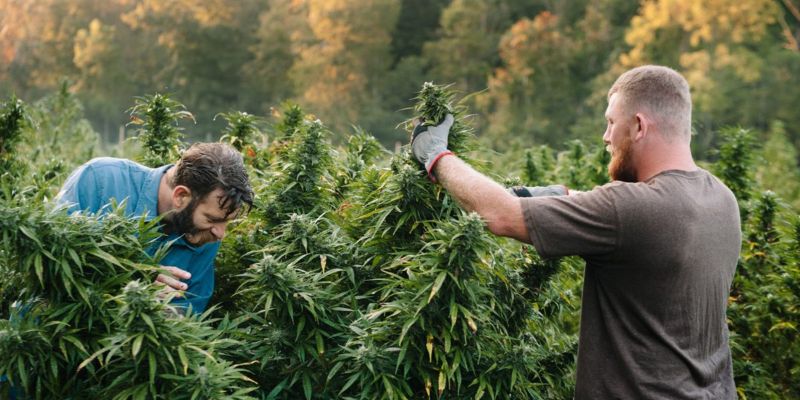
Outdoor cannabis cultivation rewards preparation more than any other growing method. While Mother’s Day is often used as a benchmark for spring cannabis planting, experienced growers understand that success depends on what happens in the weeks leading up to that date, not the day itself.
Early-season conditions are rarely ideal. Soil temperatures lag behind air temperatures, nighttime lows fluctuate, and young plants are especially vulnerable to stress. Growers who prepare in advance by building plant strength indoors, improving soil conditions, and planning their environment enter the outdoor season with a clear advantage.
Outdoor grows are not reactive. They are built intentionally, step by step, before the first transplant ever happens.
Why Mother’s Day Matters for Outdoor Cannabis Grow Prep
Mother’s Day has become a widely accepted reference point for outdoor planting because it generally aligns with the end of frost risk across much of the United States. By mid-May, most regions begin to stabilize, with warmer soil temperatures and longer daylight hours supporting vegetative growth.
However, relying on a calendar alone is not enough. Climate variability between regions, and even within the same region, year to year, means that planting decisions should be based on actual conditions rather than fixed dates.
A more reliable approach is to use Mother’s Day as a guideline while confirming three critical environmental factors:
- Nighttime temperatures consistently above 50°F
- Soil temperatures are warm enough to support active root growth
- Increasing daylight hours sufficient for vegetative development
The USDA provides one of the most useful tools for planning this transition. The Plant Hardiness Zone Map helps growers understand regional climate patterns and frost timing.
Using zone data alongside real-time weather conditions allows growers to move beyond guesswork and establish a more precise planting window. This reduces early-season risk and sets plants up for uninterrupted growth.
Start Cannabis Seeds Indoors to Build Early Strength
One of the most effective ways to improve outdoor performance is to start cannabis seeds indoors before transplanting. Early-stage plants are highly sensitive to environmental instability, and outdoor conditions in early spring are rarely consistent enough to support optimal development.
By starting indoors, growers gain control over the variables that matter most during early growth. Temperature, humidity, lighting, and root zone conditions can all be managed to promote stable development without interruption.
This early control allows plants to establish:
- Strong, well-developed root systems
- Balanced vegetative growth
- Tight internodal spacing and structural integrity
These characteristics directly influence how well plants adapt once they are introduced to outdoor conditions.

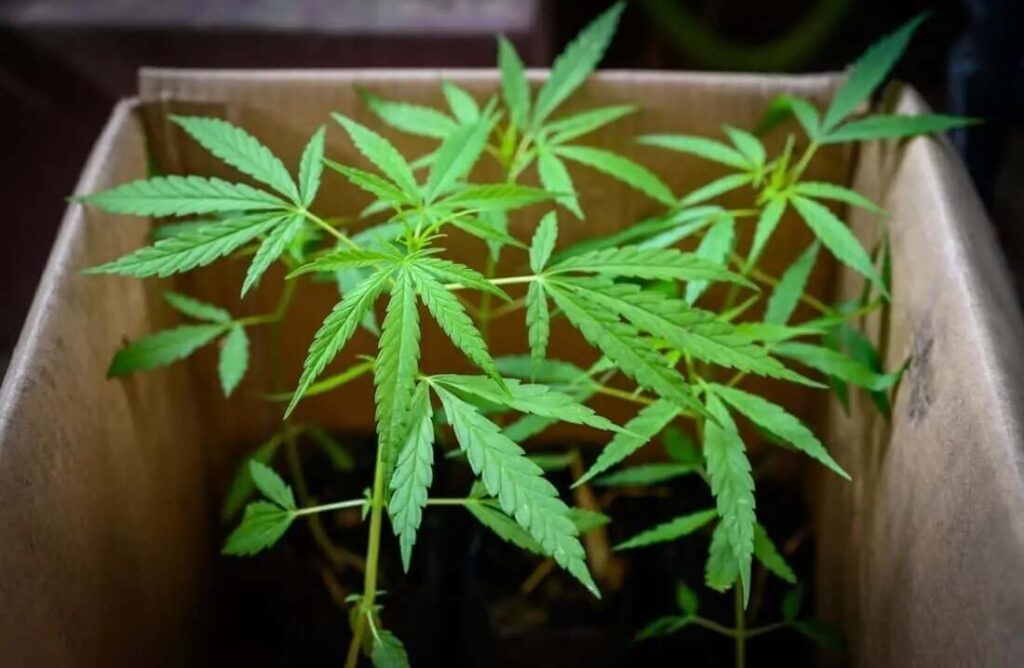
Most growers benefit from starting seeds approximately four to eight weeks before their intended transplant date. This provides enough time for plants to mature without becoming root-bound or overly large for transition.
Check out Starting Cannabis Seeds Indoors Before Spring: From Germination to Early Veg for a detailed breakdown of how to approach this stage, including germination, lighting, and early vegetative structure.
Outdoor growers who skip this step often sacrifice valuable vegetative time, limiting both plant size and overall yield potential.
Choose Cannabis Genetics That Match Outdoor Conditions
Outdoor environments introduce variables that indoor systems are designed to eliminate. Temperature swings, humidity, rainfall, and pest pressure all influence how cannabis plants develop over the course of a season.
Because of this, genetics becomes one of the most important decisions in outdoor cannabis grow prep.
Rather than selecting strains based solely on preference, growers should focus on traits that support environmental resilience. These include mold resistance in humid climates, structural strength for wind exposure, and predictable flowering timelines that align with the local growing season.
In regions with shorter summers or early fall conditions, autoflower genetics can provide a strategic advantage. Their shorter lifecycle allows plants to complete their growth cycle before weather conditions decline.
In areas with longer growing seasons, feminized photoperiod strains allow growers to take full advantage of extended vegetative growth. These plants can develop larger canopies and produce significantly higher yields when given enough time and space:
The key is aligning genetics with the environment. Strong genetics will perform well, but the right genetics for your conditions will perform consistently.
Prepare Soil as a Living System, Not Just a Medium
Soil preparation is one of the most overlooked aspects of outdoor cannabis cultivation, yet it has a direct and lasting impact on plant health. Unlike indoor systems, where nutrients are delivered in controlled solutions, outdoor plants rely on the soil ecosystem to provide water, nutrients, and oxygen.
Before planting, growers should focus on building soil that supports both structure and biology.
The first priority is pH balance. Cannabis performs best in soil with a pH between 6.0 and 6.8. Outside this range, nutrient availability becomes limited, even if nutrients are present in the soil.
The second consideration is soil structure. Compacted soil restricts root expansion and limits oxygen flow, while overly loose soil may not retain sufficient moisture. Adding organic matter such as compost or worm castings helps create a balanced environment that supports both water retention and aeration.
Finally, biological activity plays a critical role. Healthy soil contains microorganisms that break down organic material into plant-available nutrients. According to the Natural Resources Conservation Service, soil health directly influences plant productivity, water efficiency, and resilience to stress.
Outdoor cannabis cultivation is not just about feeding plants. It is about managing a living system that supports growth over time.
Plan Your Outdoor Grow Site with Intent
Even with strong genetics and well-prepared soil, poor site selection can limit plant performance. Outdoor cannabis depends heavily on environmental exposure, and the conditions at your grow site will shape how plants develop throughout the season.
Light exposure is the most important factor. Cannabis requires consistent, direct sunlight, ideally six to eight hours per day, to reach its full potential. Without adequate light, plants will struggle to reach their full size and density, regardless of other inputs.
Airflow is equally important. Proper circulation reduces humidity around the canopy and helps prevent mold and mildew, particularly during flowering. Stagnant air creates conditions that allow disease to develop quickly and spread.
Ground conditions also matter. Areas that collect water can lead to root saturation and oxygen deprivation, while overly exposed sites may subject roots to excessive wind stress. The goal is to find a location that provides balance, consistent light, good drainage, and moderate exposure.
Choosing the right site reduces the number of problems that need to be managed later.
Time Your Transplant Based on Conditions, Not the Calendar
Knowing when to plant cannabis outdoors is critical. Even well-developed plants can struggle if moved outside too early, especially if nighttime temperatures remain unstable. Transplanting should occur only after the frost risk has passed and nighttime temperatures consistently remain above 50°F. Soil temperature should also be warm enough to support active root growth.
Planting too early often results in slowed development or stress that carries through the entire cycle. Planting too late shortens the vegetative window, limiting plant size and reducing overall yield potential. Successful growers focus on timing that supports uninterrupted growth, rather than rushing to meet a specific date.
Harden Off Plants to Prevent Transplant Shock
Plants grown indoors are not immediately prepared for outdoor conditions. Sunlight intensity, UV exposure, wind, and temperature fluctuations are significantly stronger outside, and sudden exposure can cause stress or damage.
Hardening off is the process of gradually introducing plants to these conditions over 7 to 10 days. This allows plants to adjust without shock. Start with short periods of indirect sunlight and increase exposure gradually each day. Monitor plants closely for signs of stress and adjust the process as needed.
This transition strengthens plant structure and helps preserve the progress made during indoor growth.
Build a Full-Season Strategy Before Planting
Before transplanting, it is important to review your entire growing strategy. Outdoor cultivation offers less opportunity for correction once plants are established, so planning ahead is critical.
This includes understanding how you will manage watering as weather conditions change, how nutrients will be delivered over time, and how pests will be prevented before they become a problem. It also involves planning canopy management to maintain airflow and maximize light exposure as plants grow.
Have a Plan for the Complete Growth Cycle
Many growers focus on individual steps, but the most consistent results come from viewing the grow as a complete system from start to finish.
To reinforce your approach and connect each stage of the process, revisit: Best Practices for Growers from Germination to Harvest Part I. This guide ties together early decisions with long-term outcomes, helping growers maintain consistency from germination through harvest.
Plan for Pests: BEFORE You Need To
Educate yourself on pest control before it becomes a problem. Learn about pest management, Biological Control Agents (BCAs), and more in our Integrated Pest Management Guide. For the organic enthusiasts, check out Organic Pest Control Solutions for Growing Cannabis.
Avoid the Mistakes That Limit Outdoor Yields
Most outdoor growing issues can be traced back to early decisions. Problems that appear mid-season often originate from conditions that were not properly addressed at the start.
Common mistakes include planting too early based on calendar dates, skipping soil preparation, selecting genetics that do not match the environment, and overwatering during early growth. Poor airflow and overcrowding also create conditions that increase the risk of disease later in the season.
These issues are preventable. Strong preparation reduces the likelihood of problems and allows growers to focus on optimizing plant performance rather than correcting avoidable mistakes.
Frequently Asked Questions About Outdoor Cannabis Grow Prep

The best time to plant cannabis outdoors depends on local climate conditions, not just the calendar. In most regions, growers use Mother’s Day as a general guideline because it aligns with the end of frost risk and more stable temperatures.
However, the most reliable indicators are environmental:
• Nighttime temperatures consistently above 50°F
• Soil temperatures are warm enough to support root growth
• Increasing daylight hours for vegetative development
Using tools like the USDA Plant Hardiness Zone Map can help refine this timing based on your specific location.
In some warmer climates, planting before Mother’s Day is possible, but it carries risk. Early spring weather can be unpredictable, and even a short cold spell can slow growth or stress young plants.
Planting too early often results in:
• Stunted development
• Slower root establishment
• Reduced overall plant size
Most growers benefit more from waiting for stable conditions than trying to gain a small time advantage.
Yes. Starting cannabis seeds indoors is one of the most effective ways to improve outdoor grow results. Indoor starting allows plants to develop:
• Strong root systems
• Stable early structure
• Resistance to environmental stress
By the time plants are moved outdoors, they are better equipped to handle fluctuations in temperature, wind, and sunlight intensity. This typically leads to stronger growth and higher yield potential compared to direct outdoor planting.
Cannabis plants begin to slow down when temperatures drop below 50°F, and prolonged exposure to colder conditions can cause stress or damage. Frost is particularly harmful and can kill young plants outright. For outdoor planting, it is important to wait until:
• Nighttime temperatures remain consistently above 50°F
• No frost risk remains in your region
Stable temperature conditions are essential for uninterrupted early growth.
The best soil for outdoor cannabis is well-draining, nutrient-rich, and biologically active. Cannabis performs best in soil with a pH between 6.0 and 6.8, where nutrients are most available.
High-quality outdoor soil should:
• Retain moisture without becoming waterlogged
• Allow for proper root aeration
• Contain organic matter to support microbial life
Improving soil with compost, worm castings, and other organic inputs creates a healthier root environment and supports stronger plant development throughout the season.
Outdoor Cannabis Success Starts Before the Season
Preparing for the outdoor cannabis season is about building the right foundation before the season begins. The work done before planting determines how plants perform throughout the entire cycle.
Starting seeds indoors, selecting appropriate genetics, preparing soil, and timing your transplant correctly all contribute to stronger, more resilient plants. These early advantages compound as the season progresses.
Mother’s Day is not the starting point. It is where preparation turns into execution.
Mosca Seeds has spent over 15 years developing premium cannabis genetics built for consistency, resilience, and real-world growing conditions. Our strains are designed to perform in outdoor environments when paired with proper preparation and timing. Check out our collection and start your season with proven cannabis seeds.