


Autoflower vs photoperiod cannabis comes down to one key difference: what triggers flowering. Autoflowers switch to flower based on age. Photoperiod plants need a change in the light cycle. That one detail affects everything else, including timeline, yield, training options, and how much control you have over the grow.
Once you understand how each type behaves, it’s easier to choose what fits your growth environment, method, and goals.
Why This Choice Matters
This decision shapes your entire grow from the start. It influences how long the process takes, how much you can steer plant development, and what kind of yield you can expect.
Autoflowers follow a fixed internal clock. Photoperiod plants give you control over when flowering begins. That difference carries through every stage, from lighting to training to harvest timing.
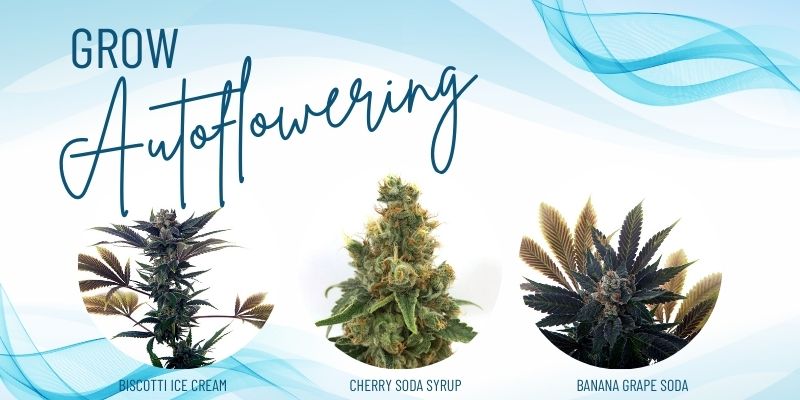
What Is Autoflowering Cannabis?
Autoflowering plants start flowering on their own, usually within two to four weeks from germination. There’s no need to change the light cycle, which keeps things simple indoors and allows for longer daily light exposure.
Autoflowers are known for:
- Fast seed-to-harvest timelines, often 8–12 weeks
- Smaller, more compact plants
- Flexible lighting schedules
- Limited recovery time if something goes wrong
Because they move quickly, early issues matter more. There isn’t much time to correct mistakes before flowering kicks in.
What Is Photoperiod Cannabis?
Photoperiod plants depend on light exposure to begin flowering. They stay in vegetative growth under long light hours and start flowering when light is reduced to about 12 hours per day. Lighting control is central here. If you want a deeper breakdown, see Cannabis Lighting Fundamentals: LED vs. HPS vs. CMH.
Photoperiod plants are known for:
- Flexible vegetative time
- Larger plant size
- Higher yield potential
- More room to recover from early mistakes
Since you control when flowering starts, you can take time to build plant size and structure before switching.
Key Differences of Autoflower and Photoperiod Plants at a Glance
- Flower trigger: Autoflower = age, Photoperiod = light cycle
- Time to harvest: Autoflower ~8–12 weeks, Photoperiod ~12–20+ weeks
- Yield potential: Autoflower moderate, Photoperiod higher
- Plant size: Autoflower smaller, Photoperiod larger
- Control: Autoflower limited, Photoperiod high
- Lighting: Autoflower flexible, Photoperiod requires strict 12/12
Autoflowers lean toward speed and simplicity. Photoperiod plants give you more control and room to scale.
Yield: Speed vs Size
Yield is one of the biggest differences between the two.
Autoflowers finish quickly, which means faster turnover and the option to run multiple cycles. The tradeoff is plant size, which limits how much each one produces.
Photoperiod plants can be grown larger by extending the vegetative stage. That opens the door to training, canopy control, and higher yield per plant.
Time to Harvest
Autoflowers are fast. Most are ready in about 8 to 12 weeks from seed.
Photoperiod plants take longer because you decide how long they stay in veg. A full grow often runs three to five months or more.
So the tradeoff is simple:
- Autoflowers = faster cycles
- Photoperiod = more control and bigger plants
Check out our comprehensive Guide: Best Practices for Growers: From Germination to Harvest Part III
Flowering, Harvest, and Beyond
Lighting and Control
Autoflowers can run under steady light schedules, often 18–24 hours a day. Light leaks or interruptions don’t really affect them, making them easier to manage in less-controlled spaces.
Photoperiod plants are more sensitive. They need consistent light and uninterrupted dark periods to flower properly. Even small disruptions can cause stress or delay flowering.
That’s why photoperiod-growth usually requires tighter control over the environment.
Beginner vs Experienced Growers
Autoflowers are often seen as beginner-friendly because they simplify lighting. But they don’t give you much room to recover from mistakes.
Photoperiod plants take more setup and planning, but they’re more forgiving. You can extend the veg stage, fix issues, and shape the plant before flowering.
So it usually comes down to this:
- Autoflowers are simple, but less forgiving
• Photoperiod plants take more effort, but give you more flexibility
Indoor vs Outdoor Growing
Autoflowers work well outdoors in shorter seasons. Their quick lifecycle helps you finish before the weather becomes an issue, and in some climates, you can run multiple harvests.
Photoperiod plants do best in full outdoor seasons where they can grow large under natural light. With enough time and space, they tend to produce bigger yields.
Your climate and the length of your seasons play a big role here. Learn more about the differences of growing indoors vs. outdoors.
Genetics Still Matter More Than Plant Type
Plant type affects how your grow runs, but genetics decide what the plant can produce.
Research backs this up. The growing medium or system can influence size, growth rate, and yield, but cannabinoid levels stay mostly tied to genetics when conditions are stable.
So even if you dial in your setup and push for maximum yield, the final quality still comes down to the seed. Strong plants start with strong genetics, whether you’re running autoflowers or photoperiods.
Cannabis genetics determine:
- Cannabinoid potential
- Terpene profile
- Growth structure
- Stress tolerance
Learn more: Cannabinoids and Cannabinoid Receptors Explained
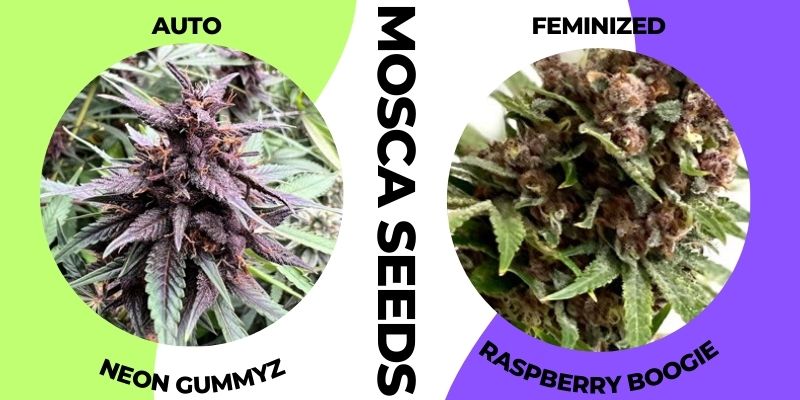
If you’re exploring options, you can check out Mosca’s selections:
Choosing What Fits Your Grow
Your choice depends on how you want to grow.
Go with autoflowers if you want faster harvests, simpler lighting, and quicker turnaround.
Choose photoperiod plants if you want control over plant size, training, and yield.
Both approaches work. The key is matching the plant type to your setup and goals.
Frequently Asked Questions about Autoflower vs. Photoperiod Strains
Potency comes from genetics, not plant type. Modern autoflowers can match photoperiod strains when grown well.
Photoperiod plants usually yield more because they can grow larger. Autoflowers produce less per plant but finish faster.
Yes, but it can complicate lighting. Autoflowers tolerate long light periods, while photoperiod plants need strict cycles to flower.
Autoflowers are easier to set up but less forgiving.
Photoperiod plants require more control but allow more time to fix issues.
It’s a personal choice; growers can experiment with both and use the type of plant that fits the environment, grow cycle, and level of control desired.
They usually need lighter feeding due to their shorter lifecycle. Overfeeding can affect them quickly.
Learn more about primary macronutrients: N-P-K, secondary and micronutrients, feeding schedules, and more tips on nurturing your plants during the vegetative stage in our guide: Best Practices for Growers: From Germination to Harvest Part 2
Autoflower vs photoperiod isn’t about which one is better. It’s about what fits your grow.
Autoflowers keep things fast and simple. Photoperiod plants give you more control and higher yield potential. Get your environment right, start with solid genetics, and you’ll set yourself up for a smoother run either way.
Mosca Seeds has spent over 15 years developing premium cannabis genetics trusted by growers worldwide. Our autoflower, feminized, and regular seed lines are built for consistency, performance, and reliable results across different grow styles. Explore our collection and start your next grow with proven cannabis seeds.