


Summer heat can turn watering into one of the most important parts of outdoor cannabis plant care. Once plants are outside and actively growing, they are dealing with longer days, stronger sun, warmer soil, wind, and faster dry-down between waterings.
The mistake is thinking there is one perfect outdoor cannabis watering schedule. There isn’t. A plant in a 5-gallon fabric pot on a windy patio may need water far more often than a plant in a large, raised bed with mulch and healthy soil.
Good watering comes down to reading the plant, checking the root zone, and adjusting with the weather. The goal is simple: keep roots moist enough to stay active without keeping them so wet that they lose oxygen and slow down.
Why Outdoor Cannabis Watering Changes in Summer
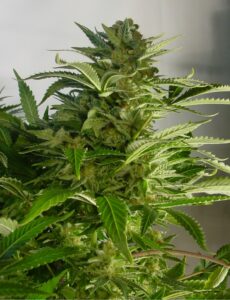

Wind matters too. A breezy day can dry plants faster than growers expect, especially in fabric pots or exposed sites. Even if temperatures are not extreme, constant wind can pull moisture from leaves and soil.
Outdoor watering also changes as the plant develops. Young plants with small root systems need careful moisture management near the root zone. Larger vegetative plants can handle deeper watering because their roots have spread farther into the soil or container.
If you recently moved plants outside, start with Mosca’s guide to preparing for outdoor cannabis season and build from there. Once plants are established outdoors, watering becomes a daily observation habit rather than a fixed calendar task.
How Often Should You Water Outdoor Cannabis Plants?
“How often should I water?” is one of the most common grower questions, but the real answer is: when the plant and soil are ready.
Some outdoor plants may need water every day during hot stretches. Others may go two or three days between waterings, especially if they are in large containers, raised beds, or in-ground soil with good moisture retention.
Instead of following a rigid schedule, check a few things:
- Soil moisture below the surface
- Container weight
- Leaf posture
- Weather forecast
- Plant size
- Drainage speed
- Wind exposure
The top of the soil can dry quickly while the lower root zone still has moisture. That is why checking only the surface can lead to overwatering. Push a finger an inch or two into the soil, or use the container’s weight as a guide. A dry pot feels much lighter than one with water still available in the root zone.
If the plant is in the ground, you may need to check deeper around the root area. In-ground plants can look dry at the surface while still having moisture below.
Deep Watering vs. Shallow Watering
Deep watering is usually better for outdoor cannabis than frequent shallow watering. Shallow watering only wets the top layer of soil, which encourages roots to stay near the surface. Those surface roots dry out faster and are more vulnerable to heat.
Deep watering helps moisture move farther down and outward through the root zone. This encourages stronger root development and gives the plant better access to water during hot afternoons.
That does not mean flooding the plant every time. Water slowly enough that the soil can absorb moisture instead of letting it run off the surface. If water immediately pools or runs down the sides of a container, the soil may be too dry, compacted, or hydrophobic. Slow watering gives the medium time to absorb it.
For containers, water until the root zone is evenly moist and you see some runoff, especially if you are feeding bottled nutrients. For raised beds or in-ground plants, water around the root zone rather than only at the stem. As the plant grows, widen the watering area to encourage roots to spread.
Mosca’s article on watering cannabis plants is a helpful resource for growers thinking through watering habits and root-zone moisture.
Signs Your Cannabis Plant Needs Water
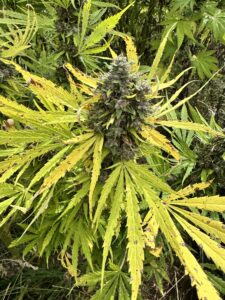

Common signs a cannabis plant needs water include:
- Dry soil below the surface
- A noticeably light container
- Drooping that does not improve after peak sun
- Leaves that feel thin or limp
- Slowed new growth
- Dry edges during hot weather
Midday wilt can be tricky. Outdoor plants may droop slightly during the hottest part of the day, even if the root zone still has moisture. If the plant perks back up in the evening, it may be reacting to heat and light intensity rather than true drought stress.
Before watering, check the soil. If the root zone is still moist, dumping more water on the plant may create a different problem. If leaves are curling, yellowing, spotting, or drying along the edges, it can help to compare symptoms with Mosca’s guide on what cannabis leaves tell you about grow issues before changing your whole routine.
Signs You are Overwatering Outdoor Cannabis
Overwatering is not just “too much water.” It is too little oxygen around the roots for too long. Cannabis roots need oxygen to function, and soggy soil can slow nutrient uptake, weaken growth, and invite root problems.
Signs of overwatering can include:
- Drooping leaves even when the soil is wet
- Slow growth
- Yellowing lower leaves
- Heavy, saturated containers
- Soil that stays wet for too long
- Weak root development
- A stale or sour smell from the medium
Overwatering can look a lot like underwatering at first, which is why checking the root zone matters. If the plant is drooping and the soil is wet, do not keep watering because the leaves look sad. Let the soil dry down properly before watering again.
Drainage is part of the equation. Outdoor containers need drainage holes, and raised beds need soil that does not stay compacted and waterlogged. If water cannot move through the root zone, the plant cannot breathe well.
Best Time of Day to Water Cannabis Outdoors
Morning is usually the best time to water outdoor cannabis plants. The plant has moisture available before the hottest part of the day, and the soil has time to absorb water before temperatures peak. Morning watering also gives any accidental splashing on lower leaves time to dry. Wet foliage sitting overnight can create better conditions for mold, mildew, or fungal issues, especially in humid areas.
Evening watering is not always wrong, but it requires more care. If plants are dry and stressed at the end of a hot day, they may need water. Just avoid soaking leaves late in the day and try not to keep the top layer of soil constantly wet overnight.
Midday watering is sometimes necessary during extreme heat, especially for containers that dry out fast. If you water during peak sun, focus on the soil, not the leaves. Water slowly and avoid shocking a hot, dry root zone with a sudden heavy dump of cold water.
Watering Cannabis in Containers vs. In-Ground Soil


Outdoor cannabis in containers usually needs more frequent watering than plants grown in the ground. Containers have limited soil volume, so roots have less buffer when temperatures rise. Fabric pots dry faster than plastic pots because they allow more air exchange. That can be great for root health, but in summer heat, it also means growers need to check moisture more often.
Container growers should watch for:
- Fast dry-down on hot or windy days
- Water running down the sides of dry soil
- Root-bound plants drinking faster than expected
- Salt buildup from repeated feeding
- Pots heating up in direct sun
If a container plant dries out unusually fast, wilts even with regular watering, or seems stalled no matter what you do, the roots may be running out of space. Learn more about identifying and correcting root-bound cannabis plants before assuming the problem is only water or nutrients.
In-ground plants and raised beds usually have more moisture stability once roots are established. They may not need water as often, but they still need deep watering during dry stretches. A quick splash at the base of the plant will not do much for a larger outdoor root zone. If plants are in raised beds, mulch can make a big difference. It helps reduce evaporation, keeps soil temperature more stable, and protects the living soil surface from harsh sun.
Mulch, Soil Health, and Moisture Retention
Mulch is one of the simplest ways to improve outdoor watering efficiency. A clean layer of straw, leaf mulch, composted material, or another grower-approved mulch can help hold moisture longer and reduce heat stress in the root zone. Keep mulch pulled slightly away from the main stem. You want to protect the soil, not trap moisture directly against the plant base.
Healthy soil also handles water better. Soil with good organic matter holds moisture without becoming muddy, drains well, and supports microbial life. Compacted soil can shed water or stay wet in all the wrong ways. Loose, balanced soil gives roots access to both moisture and oxygen.
This is where watering and nutrition connect. If the root zone is too dry, nutrients may not move properly. If it is too wet, roots may struggle to take nutrients up. Stable moisture supports steadier feeding and healthier growth. For more on nutrition through the full plant cycle, check out Mosca’s nutrient guide on what to feed cannabis plants from seedling to harvest.
How Heat Stress Affects Watering Decisions
Heat stress and underwatering can look similar, but they are not always the same problem. A plant may wilt in hot afternoon sun even when the soil still has moisture. That can happen when the leaves are losing water faster than the roots can keep up.
If the plant recovers later in the day, the issue may be heat intensity rather than a dry root zone. In that case, more water may not fix the problem. Shade cloth, mulch, wind protection, or better timing may help more than constant watering.
Heat stress signs can include:
- Tacoing leaves
- Leaf edges curling upward
- Dry or crispy tips
- Midday wilt
- Slowed growth during hot stretches
- Bleaching or pale areas from intense sun
Always check the soil before reacting. If the soil is dry, water deeply. If the soil is moist and the plant is still struggling, look at sun intensity, wind, root-zone temperature, and airflow.
Watering and Nutrient Uptake
Water is how nutrients move through the root zone. If watering is inconsistent, feeding can also become inconsistent. Letting plants dry back too hard can stress roots and interrupt nutrient uptake. Keeping plants constantly saturated can do the same thing from the opposite direction. Both extremes can lead to symptoms that look like nutrient problems, even when the actual issue is watering.
Yellowing, spotting, burnt tips, weak stems, and slowed growth can point to several different issues, so it is worth slowing down before adding more fertilizer. Mosca’s guide to common signs of nutrient deficiencies in cannabis can help growers compare symptoms and think through what the plant is showing.
Overfeeding can also create its own root-zone problems. Growers sometimes call this “hot soil,” but it does not mean the soil temperature is too hot. It means the medium has too much nutrient strength or buildup for the plant to handle. If you suspect that problem, read more about how to prevent hot soil before pushing the feed harder.
Growers using bottled nutrients should also pay attention to runoff and buildup. If nutrients are added regularly but the medium never gets a proper watering, salts can collect and affect root performance. If the plant is in living soil or amended outdoor soil, the goal is usually steady moisture that keeps the soil biology active without drowning it.
In summer, consistency matters. Not perfect, not obsessive, just steady. Cannabis plants can handle normal wet-dry cycles, but big swings from bone dry to soaked and back again can slow momentum.
Outdoor Cannabis Watering Tips for Summer
Summer watering gets easier when growers build a simple routine. Check plants at the same time each day when possible. Morning and early evening observations can tell you a lot about how the plant is handling the weather.
A few practical habits help:
- Water deeply when the root zone is ready
- Avoid tiny daily splashes unless seedlings need light moisture
- Check the soil below the surface
- Use mulch to reduce moisture loss
- Protect containers from extreme heat
- Watch the wind as closely as the temperature
- Do not feed harder just because a plant is heat-stressed
- Adjust after rain instead of watering by habit
Rain can also fool growers. A quick summer storm may wet the surface without reaching the full root zone, especially in containers with dense canopies. After rain, still check the soil before deciding whether the plant is covered.
Keep Watering Simple and Watch the Plant
Outdoor cannabis watering is not about memorizing a perfect schedule. It is about knowing your soil, watching your plants, and adjusting before stress gets out of hand.
If leaves are upright, new growth is steady, and the soil dries down at a reasonable pace, your watering rhythm is probably close. If plants are drooping, yellowing, drying too fast, or sitting wet for days, the watering routine needs attention.
Summer watering has a major impact on root health, nutrient uptake, and outdoor plant performance. Pair steady watering habits with clean soil, good airflow, and genetics that fit your growing conditions. Check out Mosca Seeds to explore premium cannabis genetics for your next outdoor grow.